


The 4-day workweek is dead, and work has quietly stretched across six days instead. That is the finding at the center of Owl Labs' 10th annual State of Hybrid Work Report, which describes a workplace where employees show up to the office one day a week while working six.
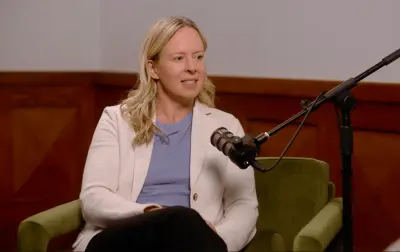
The report comes from Owl Labs, a Boston-based video-conferencing company. Its CEO, Frank Weishaupt, walked through the findings in a press call about his own survey data.
What the State of Hybrid Work Report Found
The report points to a set of behaviors that have replaced the shorter-week dream. Instead of fewer days, workers are spreading their hours wider — six days of work, with one office day used to be seen.
Weishaupt described the ingredients of this new reality directly. According to the report's findings, the trends include job hugging, career minimalism, and employees strategically "billboarding" themselves in the office one day a week while working six.
In simple terms, job hugging means holding tightly to the job you have. Career minimalism means doing what the role requires and not much more. Billboarding means using a single office day to be visible to managers and colleagues.
Why the 4-Day Workweek Idea Lost Ground
The headline finding is blunt: the 4-day workweek died at some point in the 2020s. What replaced it is not fewer working days but more of them, spread out.
Weishaupt did not fully accept the darker reading of his own data. When the conversation turned to how the findings sounded, he pushed back — just a little bit.
"I don't know if I see it that way." — Frank Weishaupt, CEO of Owl Labs
He then immediately cataloged the ingredients himself: job hugging, career minimalism, and the one-day office appearance while working six. That list is the report in miniature.
- The 4-day workweek has faded — work now spreads over 6 days
- Employees "billboard" themselves in the office one day a week
- Job hugging and career minimalism are named as key workplace behaviors
- The findings come from Owl Labs' 10th annual State of Hybrid Work Report
Our Take: The Shorter Week Lost, the Longer Week Won
To put it plainly, this is a reversal worth paying attention to. For years, the 4-day workweek was treated as the natural next step for flexible work. This report says the opposite happened. The week did not get shorter — it got stretched.
In our view, the most telling detail is not the six days. It is the one office day used for visibility. That tells you the office is no longer mainly a place to do work. It is a place to be seen doing work. When being seen matters that much, people add days to make up the difference.
Job hugging and career minimalism fit the same picture. Workers are protecting what they have rather than chasing more. That is a rational response, not a lazy one. If the reward for extra effort is uncertain, doing exactly what the role requires is a sensible choice.
What does this mean for readers? If you are waiting for a 4-day week to arrive at your company, this report suggests you should not hold your breath. The trend line has moved the other way. The practical question now is not how to get a shorter week, but how to keep six spread-out days from taking over your life.
Weishaupt's own hesitation is worth noting too. He did not want his data read as a horror story. That is fair. But the ingredients he listed speak for themselves. A week that stretches to six days, with one day reserved for being visible, is not flexibility. It is the old full week, redistributed.
The 4-day workweek did not lose because workers stopped wanting it. It lost because the workplace changed around it. That is the finding here, and it is a hard one to argue with.