

A new study has revealed a troubling trade-off for students using artificial intelligence tools for their homework. While AI helped boost homework scores by 18% and cut completion time by 30%, it led to a sharp decline in exam performance — with scores dropping by 20% within just six months.
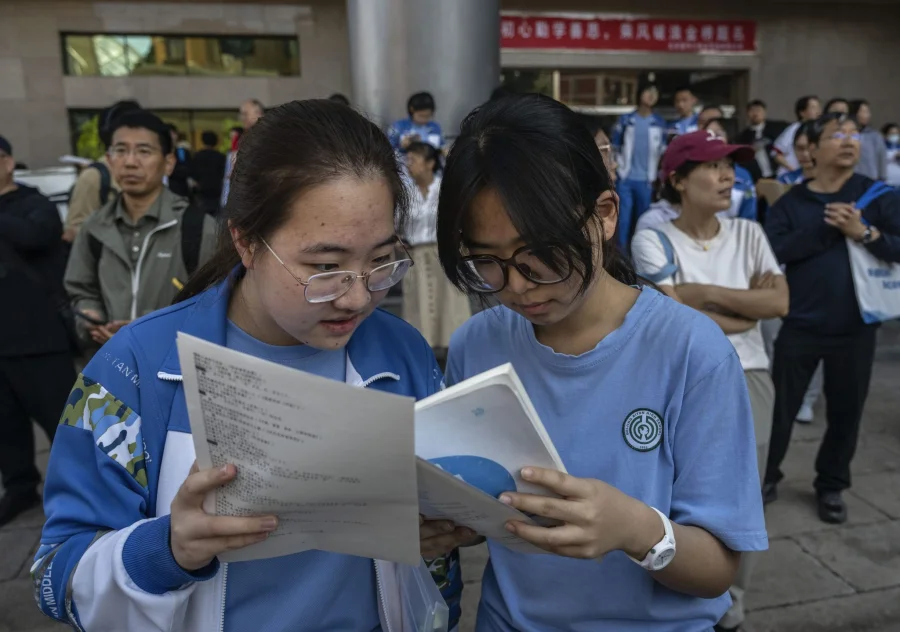
The research, published by the Centre for Economic Policy Research, tracked 26,811 Chinese students from grades seven through 12 over 30 months. According to The Star, the study found that college entrance exam scores fell by 18% to 24%, with the worst results appearing after two years of AI use.
How AI Use Creates a "Brain Drain" Effect
Researchers from Stockholm University and the University of Hong Kong identified the specific type of student most affected. According to South China Morning Post, students who "outsourced" their homework — using AI to complete assignments accurately but in little time — experienced the biggest gap between homework and exam scores.
The study describes this as a "brain drain" effect that takes two years to fully develop. Students who relied on AI for homework stopped practicing the skills needed for exams, leading to a gradual decline in their ability to perform under test conditions.
Short-Term Gains, Long-Term Losses
The findings present a clear pattern: AI helps students finish homework faster and get better grades on assignments, but this comes at a cost. The 20% drop in monthly exam scores within six months suggests that students are not retaining the knowledge they need for tests.
According to Instagram, the study found that exam scores crashed by up to 24% two years later for students who consistently used AI for homework. This long-term decline is particularly concerning for students preparing for important exams like college entrance tests.
Our Take: The Hidden Cost of AI Shortcuts
This study sends a clear message to students, parents, and educators. AI tools can make homework easier, but they do not replace the learning process. When students use AI to complete assignments without understanding the material, they are essentially borrowing grades from their future selves.
In our view, the 18% homework boost is not worth the 20% exam crash. Schools need to rethink how they assess learning in the age of AI. If homework can be done by AI, then homework may no longer be a reliable measure of student knowledge. The real test — literally — is whether students can perform without AI assistance.
For students, the lesson is simple: use AI as a learning tool, not a shortcut. The short-term gain in homework scores is meaningless if it comes at the cost of long-term academic success.