
Inside the G20 event in Chapel Hill, N.C., tech leaders painted a bright future for artificial intelligence. Outside, protestors told a different story — and that gap shows the industry's growing popularity problem.
Tech CEOs Push for More AI Infrastructure at G20 Event
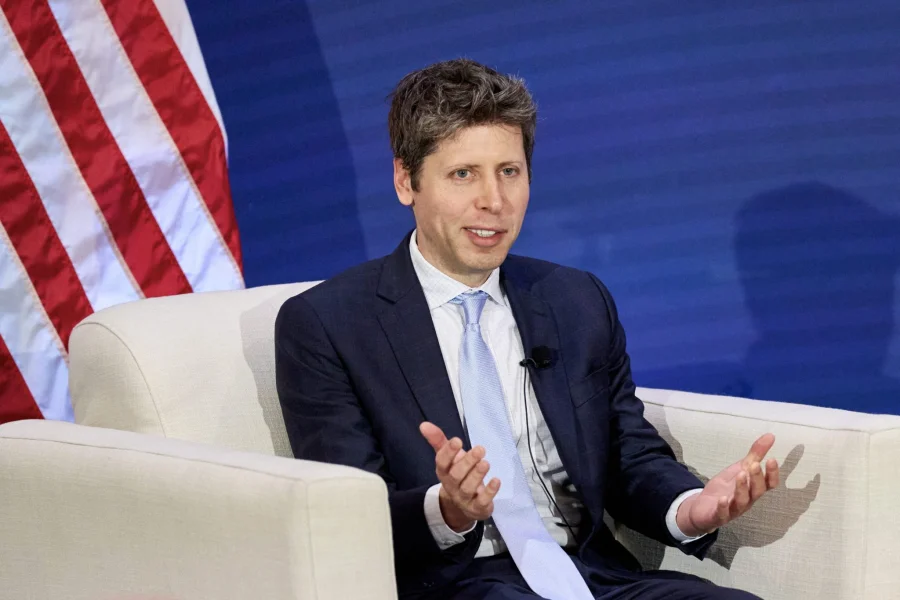
OpenAI CEO Sam Altman spoke in a "fireside chat" with U.S. Commerce Secretary Howard Lutnick. He described AI as "incredible magic of intelligence in a bottle." But he also warned that the technology's needs would keep growing.
"Even with great gains in efficiency, we are going to need to build much more infrastructure, unless we want this to be a highly priced model, which we don't," Altman added, according to local news outlet the News & Observer.
Altman was not alone in his optimism. Nvidia CEO Jensen Huang and Palantir CEO Alex Karp were also present and projected similar positive messages about AI's future. Tesla CEO Elon Musk spoke via conference as well.
Protestors Outside Signal Public Unease With AI
While these leaders focused on the promise of AI, protestors gathered outside the venue with a different message. Their presence points to a clear divide — the people building AI see it as progress, but a growing number of people watching from the outside have concerns.
The protestors' worries were not detailed in the report, but their very presence at a major tech event shows that the industry's cheerleaders cannot ignore public skepticism. The gap between the enthusiasm inside and the criticism outside is hard to miss.
What This Means for the AI Industry's Image
The scene in Chapel Hill captures a real problem for tech leaders. They want the world to embrace AI and support the massive buildout of data centers and infrastructure needed to power it. But when people show up to protest, it signals that the public is not fully convinced.
For the industry, this is not just a public relations issue. Building the infrastructure Altman described requires public support, government approval, and community acceptance. If protestors keep showing up, those projects could face delays and higher costs.
Our Take: Tech Leaders Must Listen to the Critics
To put it plainly, the tech industry has a messaging problem. Calling AI "magic" may excite investors, but it does not answer the real questions people have about jobs, privacy, energy use, and who benefits from this technology.
The protestors outside the G20 event are not an obstacle to be managed. They are a signal. If CEOs like Altman, Huang, and Karp want the world to embrace AI, they need to engage with the people who are skeptical — not just talk to each other inside conference halls.
The future of AI will not be decided only by what happens in boardrooms or at G20 gatherings. It will also be shaped by what happens on the streets outside. Ignoring that reality is a risk the industry cannot afford.
Sources & References
- News & Observer — Reporting on the G20 event in Chapel Hill, including Altman's comments and the presence of protestors.