
Summary
Three Lebanese journalists were killed recently during an Israeli military strike in Lebanon. Among the victims was Ali Shoeib, a reporter who worked for Al Manar TV, a station known for its ties to Hezbollah. The Israeli military has confirmed the death of Shoeib, marking another violent day for media workers in the region. This event has raised serious questions about the safety of reporters covering the ongoing conflict between Israel and armed groups in Lebanon.
Main Impact
The death of these three media professionals has a major impact on how news is gathered in war zones. When journalists are killed, it becomes much harder for the world to see what is happening on the ground. This specific strike shows that the risks for reporters are increasing, especially for those working for outlets that are linked to political or military organizations. The loss of these lives has caused fear among other news crews who are trying to document the daily reality of the fighting.
Key Details
What Happened
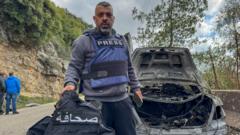
The incident took place during a period of heavy military activity along the border between Israel and Lebanon. According to reports from local broadcasters, a strike hit a location where media members were present. The Israeli Defense Forces (IDF) later confirmed that Ali Shoeib was killed during their operations. Shoeib was well-known in Lebanon for his frequent reports from the front lines, often filming very close to the border fence. Two other media workers were also reported dead in the same timeframe, though the military has focused its statements on Shoeib due to his role with Al Manar.
Important Numbers and Facts
The conflict has seen a high number of casualties among news workers over the last several months. In this single event, three lives were lost. Ali Shoeib had spent years covering the border region, making him one of the most recognizable faces on Lebanese television. Al Manar TV, his employer, is a major network in Lebanon but is classified as a terrorist entity by several countries, including the United States and Israel. This classification often puts its staff in a difficult and dangerous position during active warfare.
Background and Context
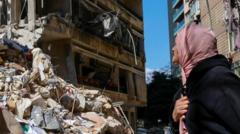
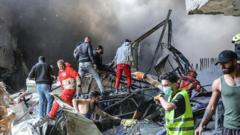
The border between Israel and Lebanon has been a place of constant tension for decades. However, the current round of fighting has been particularly intense. Journalists from many different outlets travel to southern Lebanon to capture footage of missile strikes and ground movements. Reporting from these areas is vital for the public to understand the scale of the destruction and the movement of displaced people.
In simple terms, international law says that journalists should be treated as civilians. This means they should not be targeted during military actions. However, the situation becomes complicated when a journalist works for a group that is also involved in the fighting. The Israeli military often argues that individuals working for Hezbollah-linked media are part of the group's operational structure, while media rights groups argue that they are still news workers who deserve protection.
Public or Industry Reaction
The reaction to these deaths has been swift. In Lebanon, fellow journalists and citizens have expressed deep sadness and anger. Many see these strikes as an attempt to stop the media from showing the effects of the war. On the international stage, press freedom groups have called for a full investigation into the strike. They want to know if the journalists were clearly marked as "Press" and if the military knew they were in the area.
Reporters Without Borders and other similar groups have warned that this conflict is becoming one of the most dangerous for the media in modern history. They emphasize that every time a journalist is killed, a voice that provides information to the public is silenced. Meanwhile, the Israeli military maintains that its actions are directed at threats to its national security and that it takes precautions to avoid civilian harm, though they have specifically named Shoeib as a target in this instance.
What This Means Going Forward
Moving forward, news organizations will likely have to change how they cover the war in Lebanon. Many may decide to pull their teams back from the front lines to prevent more loss of life. This could lead to a "blackout" of information where only official military videos are available to the public. There is also a risk that the legal protections for journalists will continue to be ignored if the fighting gets worse.
Governments and international bodies may face more pressure to hold military forces accountable for the deaths of non-combatants. If no action is taken, there is a fear that targeting media workers could become a common tactic in future wars. For the families of Ali Shoeib and his colleagues, the focus remains on the personal loss of loved ones who were simply doing their jobs under the most difficult conditions.
Final Take
The deaths of these three journalists highlight the extreme dangers of war reporting in the modern age. While military forces and political groups continue their battles, it is the people trying to tell the story who often pay the highest price. Protecting the lives of those who carry cameras instead of weapons is essential for a world that needs to know the truth about conflict.
Frequently Asked Questions
Who was Ali Shoeib?
Ali Shoeib was a prominent journalist for Al Manar TV, a Lebanese station affiliated with Hezbollah. He was known for his long-term reporting on the border conflict between Israel and Lebanon.
Why is the death of these journalists significant?
Their deaths are significant because they add to a growing list of media casualties in the region. It raises concerns about whether international laws protecting journalists are being followed during the conflict.
What is the official stance of the Israeli military?
The Israeli military confirmed the death of Ali Shoeib. They generally state that their operations target members and assets of armed groups, though they have faced criticism from media rights organizations regarding the safety of reporters.