

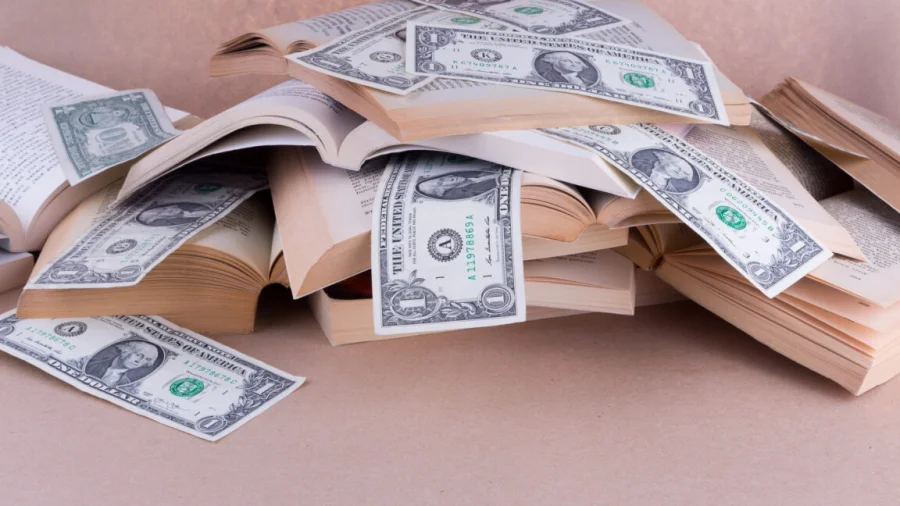

A judge approved a $1.5 billion settlement between AI company Anthropic and a group of authors, bringing an end to the largest copyright class-action lawsuit ever certified. The settlement, which is also the largest copyright settlement ever reached, resolves claims that Anthropic used copyrighted books to train its AI systems without permission.
According to Reuters, some authors and publishers opted out of the settlement and have filed separate lawsuits against Anthropic that are still ongoing.
Why Some Authors Opposed the Settlement
Back in May, some authors fought to block the settlement. The case had taken a complex turn when the court ruled that Anthropic training AI on books was fair use. However, the court also found that Anthropic's piracy of works was likely not protected.
Authors opposing the settlement argued that lawyers' fees were too high and authors' payouts were too low. Hoping to avoid accepting the estimated $3,000-per-work payout, a handful of authors tried to opt out past the deadline. They wanted to file separate lawsuits to seek higher damages.
How Many Authors Opted Out
According to Courthouse News Service, an additional 350 class members opted out of the settlement, and 53 objected. At a hearing, the judge noted the reasons for the objections and opt-outs.
The relatively small number of opt-outs — just 350 out of potentially thousands of class members — suggests that most authors accepted the settlement terms.
What This Means for AI and Copyright
This settlement marks a major moment in the ongoing debate about AI companies using copyrighted material for training. The case set a precedent by establishing that while training AI on books might be fair use, pirating those works is not.
The $1.5 billion payout is a significant sum, though individual authors will receive an estimated $3,000 per work. For many, this may be less than what they could have won in separate lawsuits, but it avoids years of litigation.
Our Take: A Mixed Outcome for Authors
In our view, this settlement is a double-edged sword for authors. On one hand, it is the largest copyright settlement ever reached, and it sends a clear message that AI companies cannot simply take creative work without compensation. On the other hand, the $3,000-per-work payout feels low compared to the value of the books used to train multi-billion dollar AI systems.
The fact that only 350 authors opted out suggests most accepted the deal as the best available option. But the objections from some authors about high legal fees and low payouts raise legitimate questions about whether class-action settlements in AI copyright cases truly serve the interests of individual creators.
To put it plainly: this settlement closes one chapter, but the separate lawsuits from authors who opted out will continue. The final word on AI and copyright has not been written yet.
