

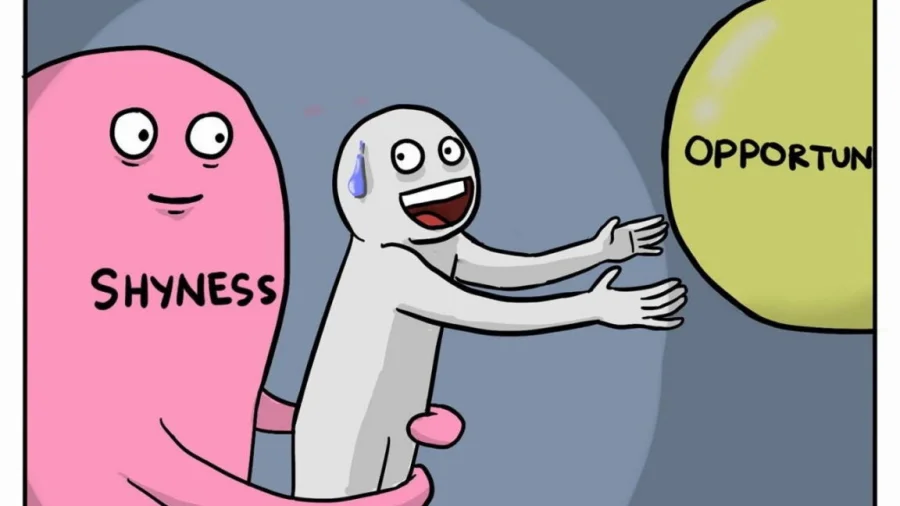

Artist Elmer Saflor, known online as "Superelmer," is taking legal action against an AI meme generator. The company is accused of selling his deeply personal "Running Away Balloon" comic as a paid ad template. Saflor told Ars Technica that while he appreciates the millions of people who have shared his work since it became a popular meme in 2017, that does not give a company the right to profit from it.
Why the Artist Is Taking Legal Action
The core of the dispute is about permission and profit. Saflor's comic, "Running Away Balloon," has been widely shared online for years. However, the artist argues that this widespread sharing does not mean it is acceptable for an AI meme generator to commercialize his copyrighted work. According to Ars Technica, the meme generator may have made a critical error by using templates to rapidly scale what is allegedly an illegal use of the artwork.
The Problem with AI and Copyrighted Memes
This case highlights a growing issue in the digital age: how AI tools use copyrighted material. The AI meme generator in question is reportedly one of the largest platforms currently using artificial intelligence to quickly create and sell meme templates. Saflor is fighting to stop this practice, arguing that his personal comic should not be turned into a commercial product without his consent.
"Just because lots of people have copied it, that doesn't mean it's OK for an AI meme generator to commercialize his copyrighted meme as a template for who knows how many ads." — Elmer Saflor via Ars Technica
Previous Legal Precedent
This is not the first time a meme creator has had to defend their work in court. In a 2024 case involving the "SuccessKid" meme, a court ruled that the particular meme could not be used in a campaign ad without permission. That ruling sets a legal precedent that could support Saflor's current lawsuit against the AI meme generator.
Our Take: Copyright Must Be Respected, Even for Memes
In our view, this lawsuit is a necessary step in protecting artists' rights in the age of AI. Just because something becomes a popular internet meme does not mean it loses its copyright protection. When a company uses AI to mass-produce and sell someone else's creative work as a paid template, it crosses a clear legal line. The "SuccessKid" case already showed that memes are not free for commercial use. This new case should reinforce that message. Artists should not have to watch their deeply personal work be turned into a product without their say-so or a fair share of the profits.
