

Summary
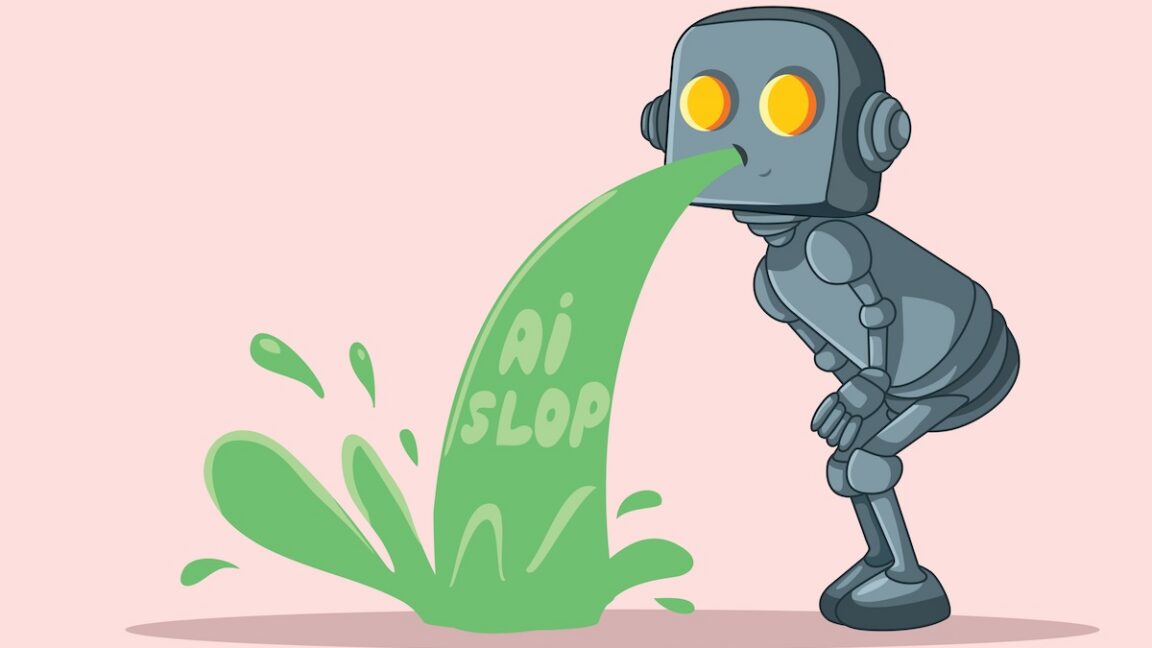
The popular scientific website arXiv is taking a strong stand against low-quality AI content. Researchers who submit papers containing AI-generated errors or fake information now face a one-year ban from the platform. This new rule aims to stop the spread of "AI slop," which includes fake citations and nonsensical images that have started appearing in scientific work. By enforcing these penalties, the platform hopes to protect the honesty and quality of global research.
Main Impact
This decision marks a major shift in how the scientific community handles artificial intelligence. For many scientists, being able to share their work on arXiv is essential for their careers. A one-year ban is a severe punishment that could delay important research and hurt a person's professional reputation. Furthermore, any researcher caught breaking these rules will face a permanent penalty: all their future work must pass a formal peer review before it can ever appear on the site again. This move forces authors to be much more careful when using AI tools to help write their papers.
Key Details
What Happened
Thomas Dietterich, a respected professor and a leader at arXiv, announced the new policy through social media. He explained that the platform is tired of seeing papers that are clearly made by AI without any human checking the facts. In recent months, the scientific world has seen several embarrassing examples of AI-generated mistakes. These include papers with references to books that do not exist and diagrams that make no sense. arXiv is a "preprint" server, meaning it hosts papers before they are officially published in journals. Because it is often the first place new science appears, the team believes it must act as a gatekeeper against poor-quality content.
Important Numbers and Facts
The primary penalty for submitting "AI slop" is a 12-month ban from the platform. During this time, the researcher cannot upload any new work. Even after the year is over, the person is flagged. Usually, arXiv allows scientists to post work quickly so others can read it. However, those who break the AI rules will lose this privilege forever. They will be required to show that a traditional scientific journal has reviewed and accepted their work before arXiv will host it. This adds a massive amount of time and effort to their future publishing process.
Background and Context
To understand why this matters, it is helpful to know how science is shared. For decades, scientists have used arXiv to post their findings quickly. This allows other experts to see new data months or even years before it appears in a printed journal. It is a system built on trust. Scientists trust that their peers are sharing honest, careful work. However, the rise of powerful AI chatbots has made it very easy to create professional-looking papers in seconds. Some people have used these tools to skip the hard work of writing and checking facts. This has led to a flood of "hallucinations," which is when an AI makes up facts that sound true but are completely false. If this continues, it could make it hard for anyone to know which scientific papers are real and which are fake.
Public or Industry Reaction
The reaction from the scientific community has been mostly positive, though some are worried. Many researchers are glad to see a crackdown on fake data. They argue that "AI slop" devalues the hard work of real scientists. One famous example that upset many people involved a peer-reviewed paper that included a bizarre, AI-generated image of a rat. That incident showed that even formal journals are struggling to catch AI errors. By acting at the preprint stage, arXiv is trying to stop the problem at the source. However, some people worry that the rules might be too strict or that honest mistakes could lead to unfair bans. There is also a question of how the platform will prove a paper was made by AI, as AI detection tools are not always perfect.
What This Means Going Forward
In the future, scientists will have to be extremely cautious. While using AI to help fix grammar or organize thoughts might still be okay, letting an AI write the actual content is now a huge risk. Every citation must be checked by a human to ensure it is real. Every image must be reviewed to ensure it accurately represents the data. This policy might slow down the speed at which some papers are posted, but it will likely increase the overall trust in the papers that do make it online. Other preprint servers and journals may soon follow this example and create their own strict bans for AI-generated errors.
Final Take
Science depends on the truth. When fake AI content enters the mix, it threatens the foundation of human knowledge. By introducing a one-year ban and permanent restrictions, arXiv is sending a clear message: technology should help scientists, not replace their responsibility to be accurate. This new policy is a necessary step to ensure that the digital age of science remains a place for real discovery rather than computer-generated noise.
Frequently Asked Questions
What is considered AI slop?
AI slop refers to low-quality content created by artificial intelligence that has not been checked by a human. This often includes fake facts, made-up references to other papers, and nonsensical or impossible images.
Can scientists still use AI to help write papers?
Scientists can still use AI as a tool, but they are now fully responsible for any errors the AI makes. If the AI "hallucinates" or creates fake data and the author does not catch it before submitting, they will face the ban.
What happens after the one-year ban ends?
Once the ban ends, the researcher can use the site again, but with a major catch. They can no longer post papers directly. They must first get their work peer-reviewed by an outside journal, which makes the process much slower and more difficult.

