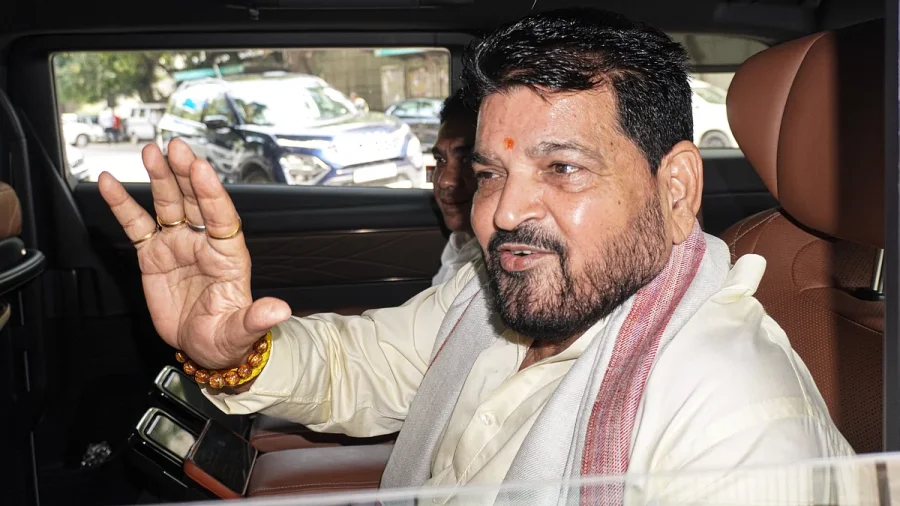

A Delhi court acquitted former Wrestling Federation of India (WFI) president Brij Bhushan Sharan Singh and former WFI assistant secretary Vinod Tomar in the sexual harassment case filed by a group of women wrestlers. Additional Chief Judicial Magistrate Ashwini Panwar delivered the verdict, ending the criminal proceedings against both men.
Court Pronounces Verdict in Wrestlers' Sexual Harassment Case
The court had reserved its judgment on 2 July after hearing final arguments in the case. The prosecution stemmed from complaints lodged by six women wrestlers, who accused Singh of sexual harassment and other offences during his tenure as WFI chief.
According to The Hindu, the court acquitted both Singh and Tomar in the case brought by the women wrestlers.
Rouse Avenue Court Delivers Acquittal for Ex-WFI Chief
The Rouse Avenue Court in Delhi handled the case, which drew significant attention given Singh's position as a former BJP MP and the head of India's wrestling federation. The allegations had sparked widespread protests and demands for action against Singh.
As reported by India Today, Singh was cleared in the sexual harassment case filed by the women wrestlers.
"Delhi court acquits Brij Bhushan Sharan Singh in women wrestlers' sexual harassment case." — CNBC-TV18
Case Background and Legal Proceedings
The case involved serious allegations made by six women wrestlers against Singh. The complaints alleged sexual harassment and other offences during his time leading the WFI. The court's decision brings the legal proceedings to a close after considering all evidence and final arguments.
According to Live Law, the Delhi court acquitted Brij Bhushan Sharan Singh in the wrestlers' sexual harassment case.
Our Take: What This Acquittal Means
This verdict marks the end of a long legal battle that began with serious allegations from women wrestlers. In our view, the court's decision to acquit both Singh and Tomar means the prosecution failed to prove its case beyond reasonable doubt — the standard required in criminal law.
To put it plainly, this outcome does not diminish the seriousness of the original allegations or the courage of the wrestlers who came forward. It simply reflects that the evidence presented did not meet the legal threshold for conviction. The case highlights how difficult such cases can be to prove in court, even when multiple complainants come forward.
For the wrestling community and the public, this verdict closes a chapter that had cast a shadow over Indian wrestling. The focus now shifts to what lessons authorities and sports bodies take from this episode about handling complaints and ensuring safe environments for athletes.