

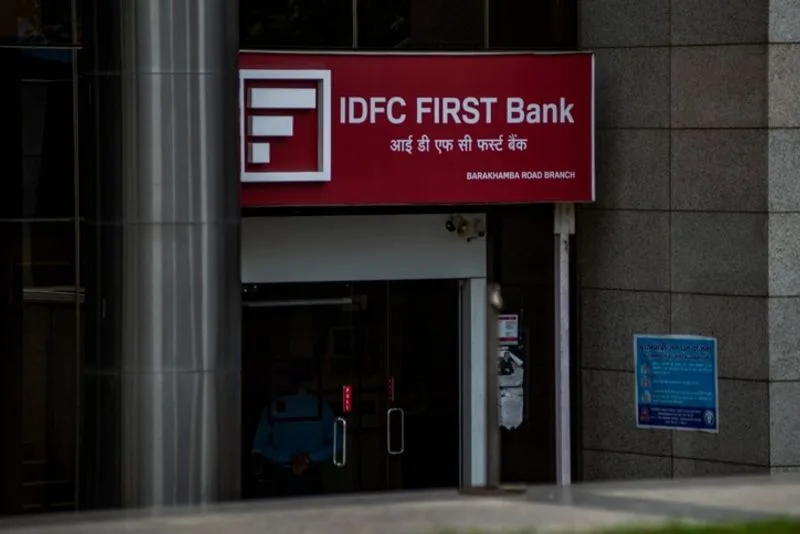

The Central Bureau of Investigation (CBI) has arrested Parveen Kumar, the then Senior Accounts Officer of the Haryana State Pollution Control Board (HSPCB), in connection with the massive Rs 657 crore IDFC First Bank scam. The arrest was made on Thursday.
The case involves the misappropriation of Rs 169 crore from an HSPCB account maintained with the IDFC First Bank branch in Sector 32, Chandigarh. This is a significant part of the larger bank scam.
Secret Account Opened Without Approval
According to the CBI investigation, Parveen Kumar opened the HSPCB account at the IDFC First Bank branch in a "clandestine manner, without any record or approval in the department." The account was then operated to facilitate the subsequent fraudulent transactions.
The CBI stated, "The funds of the Board were misappropriated using cheques/debit notes, and the debited amounts were diverted to shell entities controlled and operated by the accused." This means the money was moved out of the legitimate board account and into fake companies that the accused had control over.
How the Fraud Was Carried Out
The investigation has revealed a clear pattern of financial crime. The accused allegedly bypassed all standard financial controls and procedures of the Haryana State Pollution Control Board. By opening the account without any official record, he created a hidden channel through which public funds could be stolen.
The CBI's findings point to a well-planned operation where cheques and debit notes were used to drain the board's account. The money was then routed to shell entities — companies that exist only on paper — which were under the control of the accused individuals.
Our Take: A Breach of Public Trust
This arrest highlights a serious failure in financial oversight within a government body. The fact that a senior officer could open a bank account for a public board without any departmental approval or record is deeply troubling. It shows how a single individual, when placed in a position of financial authority, can bypass systems meant to protect public money.
In our view, this case is not just about the Rs 169 crore that was stolen. It is about the lack of checks and balances that allowed such a fraud to happen in the first place. The CBI's action is a necessary step, but the real question is how the Haryana State Pollution Control Board's internal controls failed so completely. This should serve as a warning to all government departments to review their financial protocols immediately.