

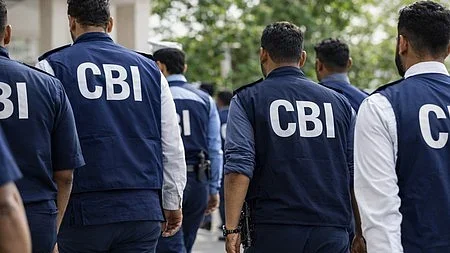

The Central Bureau of Investigation (CBI) has carried out a major nationwide operation against organised cybercrime networks that run "digital arrest" frauds. The agency searched 89 locations spread across 20 states in a coordinated crackdown.
What happened in the CBI digital arrest raids
The searches were part of Operation Chakra-VI, a CBI initiative targeting cybercriminals who trick victims into believing they are under digital arrest. During the action, three people were arrested in Haryana and Kolkata. According to the agency, these individuals are accused of receiving, layering, and distributing money obtained from victims of these frauds.
The raids were conducted as part of investigations into three separate cases that the CBI took over from different states. Investigators are looking into how these networks operate and who controls them.
How investigators traced the cybercrime networks
The CBI's approach involved deep analysis of financial and digital trails. Investigators examined bank transactions, online account access records, and other digital evidence to trace how money moved through the system. This helped them identify individuals who were allegedly controlling or benefiting from the fraud networks.
One case that stands out involves a victim linked to BITS Pilani, a well-known technical institute. The person was allegedly kept under digital arrest, a tactic where fraudsters convince victims they are being monitored or detained remotely, often through video calls, and pressure them into transferring money.
What is a digital arrest scam
Digital arrest frauds typically work like this: a caller poses as a law enforcement official or government authority. They tell the victim that a legal case has been filed against them or a family member. To "resolve" the matter, the victim is asked to pay money or share sensitive information. The fraudsters often keep the victim on a video call to maintain the illusion of an official arrest or investigation.
These scams have become a growing concern because they exploit fear and urgency. Victims often lose large sums before realising they have been tricked.
Our Take: A strong signal against cyber fraud
This nationwide action by the CBI sends a clear message: law enforcement is actively pursuing cybercrime networks, not just the small players but the organisers behind them. The focus on tracing money flow and identifying those who control the networks is the right approach.
To put it plainly, arrests alone will not stop these scams. The real victory lies in dismantling the infrastructure that allows money to move quickly across states and accounts. The fact that the CBI is analysing bank transactions and digital records shows they are building cases that can hold up in court.
For the public, this is a reminder to stay alert. No legitimate government agency will demand money over a video call or threaten instant arrest. If someone contacts you claiming you are under digital arrest, hang up and report it to local authorities. Awareness is the first line of defence against these frauds.
We hope this operation leads to more arrests and helps recover money for victims. Cybercrime is a borderless problem, and coordinated actions like Operation Chakra-VI are essential to fight it effectively.