

Summary
The Chandigarh Municipal Corporation is expanding its official waste collection service to include seven villages and Sector 63. This decision will bring more than 46,000 homes into the city’s formal garbage management system. Residents in these areas will now receive regular door-to-door service and will be required to pay a monthly fee. This move is part of a larger effort to make the city cleaner and ensure that all waste is handled according to national safety rules.
Main Impact
The primary impact of this decision is the formalization of waste management in areas that previously relied on informal systems. By bringing these villages and Sector 63 under the Municipal Corporation’s umbrella, the city can ensure that trash is collected regularly and disposed of properly. For residents, this means a more reliable service, but it also comes with the responsibility of paying user fees and following strict rules for sorting their trash. This change is expected to significantly reduce illegal dumping and improve the overall hygiene of these neighborhoods.
Key Details
What Happened
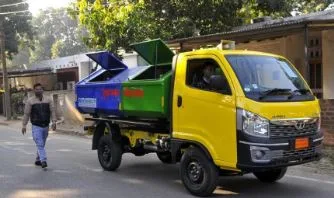
On April 30, the Municipal Corporation (MC) General House met to discuss the expansion of waste collection services. They gave the green light to sign a formal agreement, known as a Memorandum of Understanding (MoU), with waste collectors who work in these specific areas. To make the collection process easier, the MC also approved the purchase of new cycle carts. These carts are designed to fit through the narrow streets often found in village areas, ensuring that every home can be reached by the collectors.
Important Numbers and Facts
The expansion covers a total of 46,279 residential units. The seven villages included in the plan are Attwa, Badheri, Burail, Maloya (including the EWS colony), Palsora, Dadumajra, and Kajhehri. Sector 63 is also part of this new rollout. The fees that residents will pay are based on a government notification from December 28, 2022. A survey conducted by health officials on April 2, 2026, confirmed that while some informal collectors were already working in these spots, a formal system was needed to meet legal standards.
Background and Context
Waste management in India is governed by the Solid Waste Management Rules of 2016. These rules require every household to separate their trash at the source. This means people cannot just throw everything into one bin. Instead, they must divide their waste into four groups: dry waste like paper and plastic, wet waste like food scraps, domestic hazardous waste like old batteries or medicine, and sanitary waste. In many village areas, following these rules is difficult without a formal system in place. By bringing these seven villages into the official scheme, Chandigarh is working to meet these national requirements and improve its ranking in cleanliness surveys.
Public or Industry Reaction
The reaction to this move is mixed but generally positive. Many residents in the villages are happy to have a more organized system, as informal collection can sometimes be inconsistent. However, there is some concern regarding the new monthly fees, especially for low-income families. The waste collectors themselves are expected to benefit from the formal MoUs, as it gives them a more stable and recognized role within the city's infrastructure. City officials believe that providing the right equipment, like the newly approved cycle carts, will help the workers do their jobs more safely and efficiently.
What This Means Going Forward
Moving forward, the Municipal Corporation will focus on educating residents about how to sort their trash correctly. Since the law requires four-way segregation, the city will likely launch awareness campaigns to help people understand the difference between the categories. The success of this program depends on the cooperation of the homeowners. If residents sort their waste properly and pay their fees on time, the city can maintain a high standard of cleanliness. The MC will also need to monitor the performance of the collectors to ensure that the service remains consistent across all seven villages and Sector 63.
Final Take
This expansion is a necessary step for a growing city like Chandigarh. By integrating village areas and newer sectors into a single, organized waste management plan, the city is moving toward a more sustainable future. It ensures that no neighborhood is left behind when it comes to basic services and environmental health. While it requires a change in habits for many residents, the long-term benefits of a cleaner and healthier living environment are well worth the effort.
Frequently Asked Questions
Which areas are included in the new waste collection plan?
The plan covers Sector 63 and seven villages: Attwa, Badheri, Burail, Maloya (including the EWS colony), Palsora, Dadumajra, and Kajhehri.
Do residents have to pay for this service?
Yes, residents will be required to pay a user fee for garbage collection. The rates are set based on the official notification issued by the Chandigarh Administration in late 2022.
How should residents prepare their garbage?
According to the 2016 rules, residents must separate their waste into four categories: dry, wet, domestic hazardous, and sanitary waste before handing it over to the collectors.
