

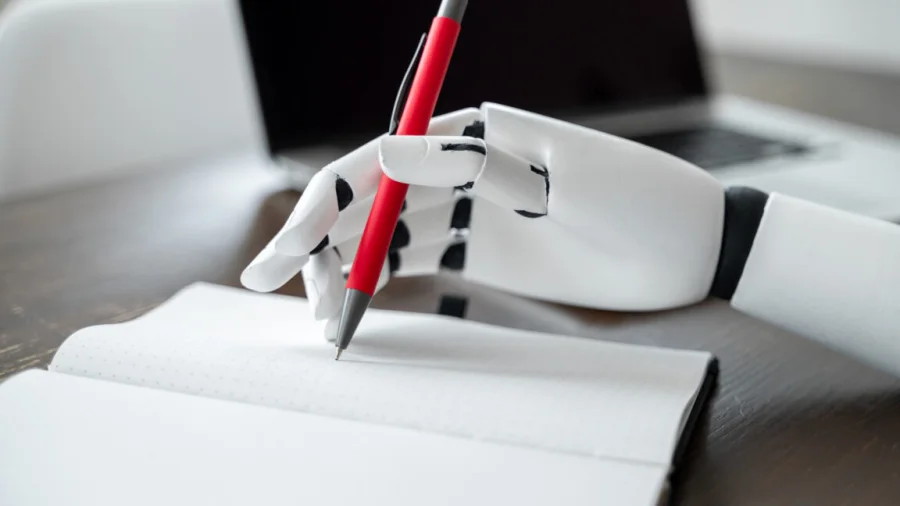

OpenAI's ChatGPT has started refusing direct requests to generate text that closely mimics the style of famous authors. When users ask the popular AI chatbot to write in the exact style of a well-known writer, it now responds with original content that draws on the "broad qualities" of that author while staying distinct.
How ChatGPT Responds to Style Copy Requests
According to Ars Technica, the change was noticed during testing. When asked to write a story introduction in the style of Stephen King, ChatGPT replied: "I can definitely write with the hallmarks of atmospheric, character-driven horror and small-town dread, but I can't write in Stephen King's exact style or closely imitate his distinctive voice. Here's an original opening that captures a similar feeling while remaining its own..."
In further testing, ChatGPT generated similar polite refusals for other authors, both living and dead. The chatbot gave similar responses when asked to mimic the styles of J.K. Rowling and Amy Tan.
What This Means for Users
The change means that users who previously asked ChatGPT to write "in the style of Stephen King" or "like J.K. Rowling" will now receive original content that captures the general feel of those authors' work, rather than a direct imitation. The AI instead focuses on genre hallmarks — like horror and dread for King, or magical themes for Rowling — while producing its own unique text.
Our Take: A Necessary Step for Originality
In our view, this is a sensible move from OpenAI. Directly copying an author's style raises serious questions about originality and intellectual property. By blocking these requests, ChatGPT encourages users to create something new rather than simply mimicking existing work. It also protects the unique voice of authors, both living and dead. While the AI can still capture the "broad qualities" of a genre, it now draws a clear line at imitation. That is a good thing for both writers and readers.
