

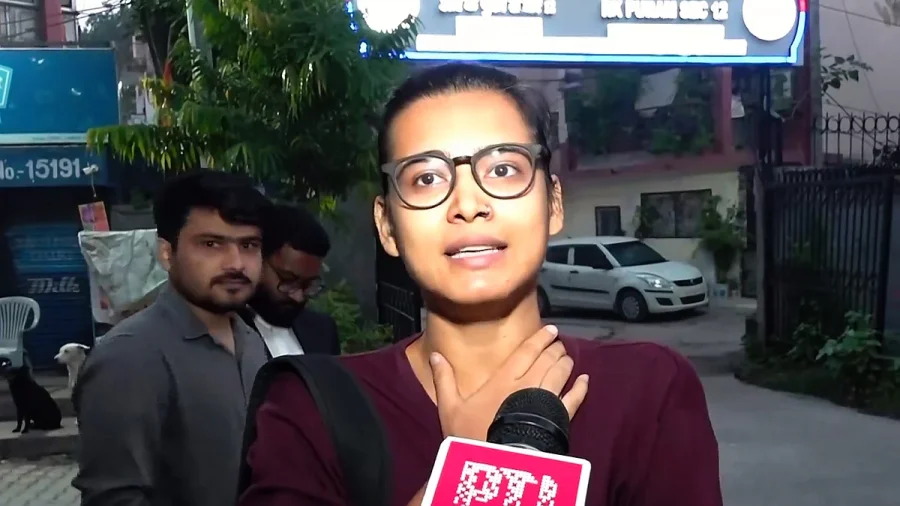

The Delhi High Court has rejected a plea by All India Students' Association (AISA) president Neha Bora against a police notice asking her to sign a peace bond. The notice, for Rs 10,000, followed her preventive detention ahead of a march against chief election commissioner Gyanesh Kumar.
Justice Subramonium Prasad rejected the writ petition at this stage. But the court did not leave Bora without any relief — it directed the magistrate to provide her with the material that the notice relied upon.
What Is the Neha Bora Peace Bond Case About?
The case centres on a preventive proceeding started against Bora after she was detained ahead of the CJP's 'Lehra Do Tiranga' march on 16 October. The police notice asked her to execute a peace bond — a legal undertaking that a person will maintain peace.
Bora challenged these preventive proceedings in the High Court. Her lawyer questioned the legal basis for the notice. The Centre, on the other hand, argued that police records support the apprehensions of a breach of peace.
Why the Delhi High Court Rejected the Plea
The High Court declined to interfere with the notice at this stage. In simple terms, the court did not accept Bora's challenge to the peace bond notice as it stands.
However, the court's direction to the magistrate matters. By ordering that Bora be given the material relied upon, the court has made sure she knows what the notice is based on. This gives her a fair chance to respond to the proceedings against her.
- The peace bond notice was for Rs 10,000
- The proceedings were preventive in nature, started after her detention
- Bora's detention came ahead of the 'Lehra Do Tiranga' march on 16 October
- The march was against chief election commissioner Gyanesh Kumar
- The Centre defended the notice, citing police records on breach of peace
Our Take: A Split Verdict for Student Politics and Police Powers
In our view, this order is a mixed result. The court has allowed the preventive proceedings to continue, which means the peace bond notice against Bora still stands for now. That is a setback for her and for AISA.
But the direction to hand over the material relied upon is important. To put it plainly, a person cannot defend herself against a notice if she does not know what it is based on. The court has protected that basic right, even while rejecting her main plea.
What does this mean for readers, especially students and activists? It means preventive detention and peace bond notices can be challenged in court, but courts may not stop them at the first stage. The real fight will now move to the magistrate's court, where Bora will get the records and a chance to respond.
The case also shows how police powers and protest rights pull against each other. The police acted before a march; the court has now asked for transparency in that action. For now, the legal process continues — and Bora will have her say with the material in hand.
Sources & References
This article is based on the original news report of the Delhi High Court's order in Neha Bora's case. No additional sources were used.


