
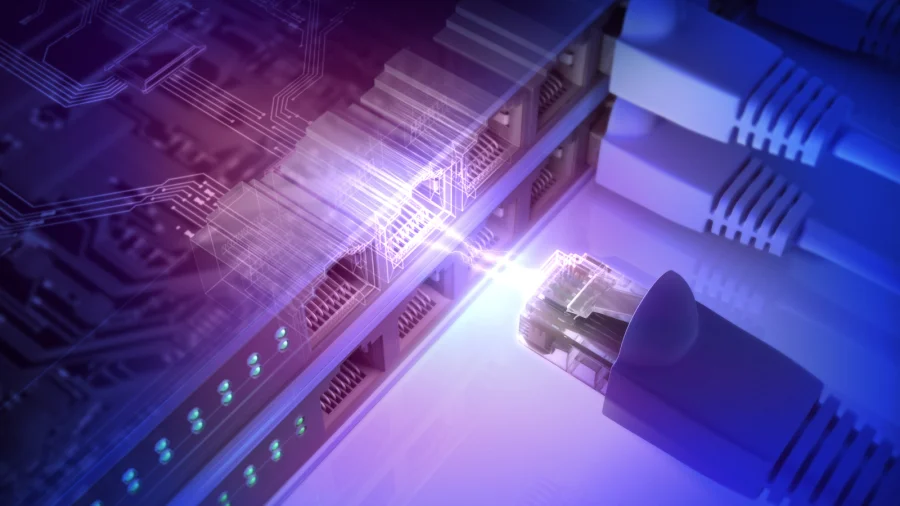

Ethernet cables are a popular way to get faster internet than Wi-Fi. A wired connection often beats a wireless one for speed and stability. But not every Ethernet cable performs the same way. The length of the cable and the type of cable both play a role in how fast your connection actually runs.
Why Ethernet Cable Length Matters for Internet Speed
The headline question is simple: at what length do Ethernet cables drop to lower speeds? The short answer from the original story is that length is one of the two things that make a difference. A cable does not deliver the same result at every distance. As the run gets longer, the signal has more distance to travel, and that is where performance can change.
The story does not give a single cut-off number where speed suddenly falls. What it does say clearly is that length matters. So anyone planning a long cable run — from one room to another, or across a home or office — should treat length as a real factor, not an afterthought.
Cable Type Matters Just as Much as Length
Length is only half the picture. The type of Ethernet cable also decides how well speed holds up. Different cable types are built differently, and that affects what they can carry. This is why two cables of the same length can behave differently.
Put together, the message from the original story is straightforward:
- Ethernet can provide faster speeds than Wi-Fi in many cases
- Cable length makes a difference to performance
- Cable type makes a difference to performance
- Both factors together decide the real-world speed you get
For anyone buying or running a cable, this means the decision is not just "Ethernet or Wi-Fi." It is also "which cable, and how long."
What This Means for Your Home or Office Setup
If you are switching to a wired connection to get better speed, do not ignore the cable itself. A long run of the wrong cable type can hold back the very speed you were trying to gain. The original story makes this clear: length and type are the two things that matter.
To put it plainly, the cable is not just a wire — it is part of your connection's performance. Choosing the right type and keeping the run reasonable is the practical way to protect your speed.
Our Take: Check the Cable Before You Blame the Internet
In our view, this is a detail most people skip. Many users plug in an Ethernet cable, see slower speeds than expected, and blame their internet provider. The original story points to a simpler explanation: the cable length and cable type may be the problem.
Our advice is direct. Before you upgrade your plan or buy new hardware, check the cable you are using. Know its type. Know its length. If your speed is lower than you expect, the cable is one of the first things worth reviewing. It is a small fix that can make a real difference — and it costs far less than a plan upgrade.
Note: This article is based on the original story provided. Specific cable length limits and cable categories were not detailed in the source material, so no numbers have been added here.