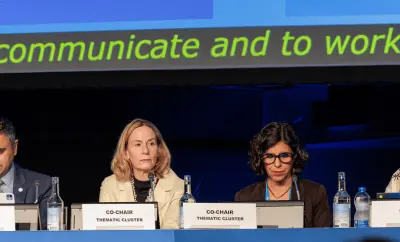


Denmark and four other European Union countries have agreed on a model for "return hubs" in non-EU nations, with hopes to begin sending migrants to these facilities as early as 2027, an official said Friday.
The announcement came after a one-day meeting in Copenhagen. It marks the latest step in a push by EU states to send people whose asylum requests have been rejected to third countries outside the bloc.
Five EU Nations Back Migrant Return Hub Plan
The five countries involved are Denmark, Germany, the Netherlands, Austria, and Greece. Their ministers briefed reporters together after the meeting, signaling a united front on the issue.
Morten Bødskov, Denmark's minister of immigration and integration, described the move in strong terms, saying the group is "moving forward toward what is actually a fundamental transformation of the common European migration and asylum system."
"We are moving forward toward what is actually a fundamental transformation of the common European migration and asylum system." — Morten Bødskov, Denmark's minister of immigration and integration
What the Return Hubs Agreement Means for Migrants
The core idea is straightforward: migrants who have had their asylum requests rejected would be transferred to facilities located in countries outside the European Union. The five nations have been negotiating with governments mainly in non-EU countries to make this happen.
The target is ambitious — the group hopes to start sending migrants to these hubs as early as 2027. This timeline shows the urgency these governments feel about addressing irregular migration and speeding up deportations of those who do not qualify for protection.
Our Take: A Bold Shift in EU Migration Policy
To put it plainly, this is a significant policy shift. Moving rejected asylum seekers to third countries is not a small administrative change — it is a rethinking of how Europe handles migration at its borders.
In our view, the fact that five countries, including major players like Germany and the Netherlands, agreed on a single model is notable. It suggests that the political will for such external processing centers is growing across the bloc, not just in a few outlier states.
However, the plan raises serious questions that the ministers did not answer in the announcement. Which non-EU countries will host these hubs? What legal protections will migrants have? And how will the EU ensure these facilities meet international standards?
For now, the agreement is a statement of intent. The real test will come in the negotiations with third-country governments and in turning this model into working facilities by 2027. Readers should watch closely — this could reshape how Europe handles asylum claims for years to come.