
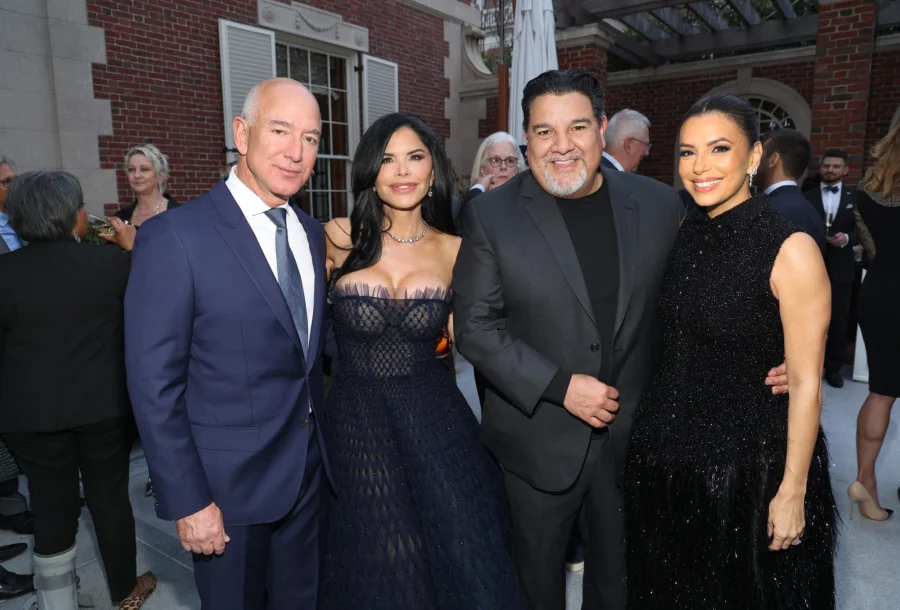

Jeff Bezos gave away $100 million, split between actress Eva Longoria and the admiral behind Osama bin Laden's capture. Each received $50 million to put toward causes of their choosing. Two years later, Longoria says the lesson she wants people to take away is simple: giving back is not a rich person's job.
Eva Longoria on Jeff Bezos's $100 Million Gift and What It Taught Her
The Desperate Housewives star told Fortune that the biggest misconception about philanthropy is the belief that impact depends on money. In her words, impact comes in many forms, and it does not require a billionaire's bank balance.
"One of the biggest misconceptions about philanthropy is that impact is tied to wealth or scale, when in reality, impact comes in many forms. What I've learned is that impact doesn't come from how much money you have, it comes from how you show up." — Fortune
Longoria's point lands at a time when billionaire giving dominates headlines. The story notes that ordinary people often assume giving back is someone else's job. Her response pushes back on that idea directly.
Why the "You Need Wealth to Give Back" Myth Matters
The gift itself is unusual. Bezos did not pick one recipient. He split $100 million between two people with very different backgrounds — a Hollywood actress and a military figure tied to one of the most famous operations in recent history. Both were trusted to decide where the money should go.
For Longoria, the more important part is the message attached to the money. She argues that the scale of a donation is not what creates change. What matters is whether a person shows up and acts, whatever resources they have.
- Bezos gave $50 million to Eva Longoria and $50 million to the admiral behind Osama bin Laden's capture
- Longoria says impact is not tied to wealth or scale
- She says impact comes from how you show up
- Her comments came two years after receiving the gift
Our Take: The Real Point of Bezos's $100 Million Giveaway
In our view, Longoria is making a fair and useful point. Headlines about billionaire philanthropy can make giving feel like a club most people cannot join. That framing is wrong. Small, consistent acts — volunteering time, helping a neighbor, supporting a local cause — count as philanthropy too, and they always have.
To put it plainly, the $100 million is the flashy part of this story. The lasting part is the reminder that generosity is a habit, not a price tag. Readers should take Longoria's words at face value: you do not need Bezos's money to make a difference. You need to show up.