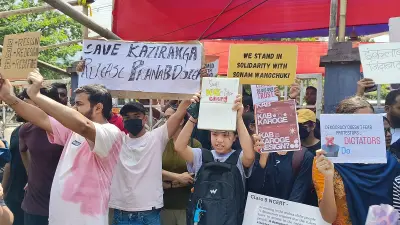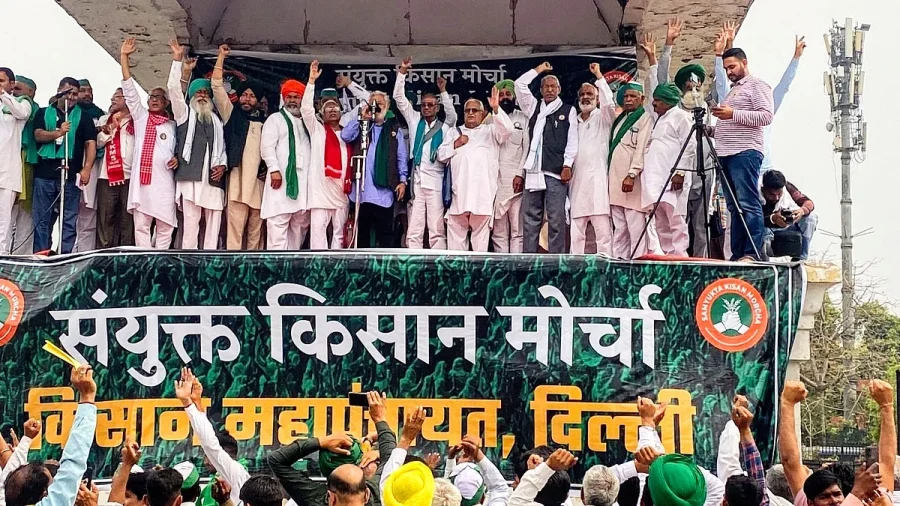

The Samyukt Kisan Morcha (SKM) has announced nationwide protests on Wednesday against the proposed India-US Free Trade Agreement (FTA) and other trade pacts. The farmers' body is also urging President Droupadi Murmu to intervene and prevent the Centre from signing these agreements.
Farmers' Body Appeals to President Against Trade Deals
In an open letter to President Droupadi Murmu, the SKM has urged her to direct Prime Minister Narendra Modi not to sign the proposed India-US FTA. The organization is also demanding the repeal of existing FTAs and a parliamentary discussion on their impact on the economy, self-reliance, and national sovereignty.
According to Financial Express, the SKM has announced a nationwide agitation to press for a legal guarantee of MSP and the repeal of free trade agreements.
Secrecy and Impact on Small Farmers and MSMEs
The SKM has alleged that these agreements are being negotiated in secrecy. The organization claims the proposed trade deals would adversely affect small and marginal farmers as well as the micro, small and medium enterprises (MSME) sector.
The farmers' body has warned that the proposed trade deals would allow subsidized imports, which could hurt local producers and undermine India's self-reliance.
Nationwide Protest Call on Wednesday
The SKM has given a call for a nationwide protest on Wednesday against US President Donald Trump's tariff threats and the proposed India-US trade deal, as reported by NDTV.
The protests are expected to draw participation from farmers and trade unions across the country, highlighting growing opposition to the trade pacts.
Our Take: A Fight for Economic Sovereignty
The SKM's protest is not just about trade agreements — it is about protecting the livelihoods of millions of small farmers and small business owners. In our view, the secrecy surrounding these negotiations is deeply concerning. When trade deals are negotiated behind closed doors, it is usually the most vulnerable who pay the price. The demand for a parliamentary discussion is reasonable. If these agreements are as beneficial as claimed, there should be no fear of public scrutiny. The government must listen to the concerns of those who feed the nation.