
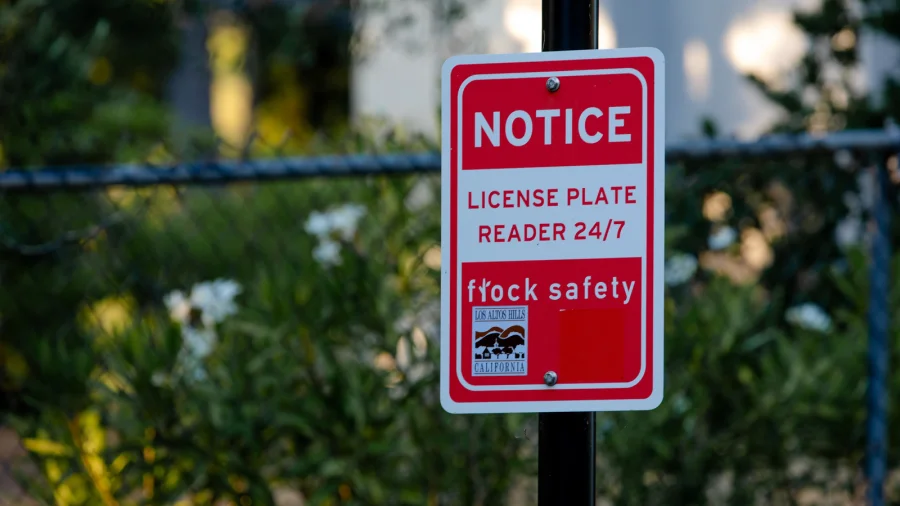

Flock cameras are spreading fast across the United States, and they are tracking more than just your license plate. Mounting privacy and security issues have residents and activists concerned about how this data is being collected and used.
According to reports, more than 80,000 Flock cameras are currently installed in both urban and rural areas. They are placed on highways, in neighborhoods, and outside local businesses. The rapid expansion has caught the attention of privacy advocates who worry about the scope of surveillance.
What Flock Cameras Actually Track
Police say Flock Safety cameras are helping crack cases faster across the country. But growing concerns over surveillance, data sharing, and what exactly these cameras capture have sparked debate. According to Yahoo News, the cameras are tracking more than license plates, raising questions about where all that data goes.
The Guardian reports that some cities are now shutting down Flock cameras amid what residents describe as "creepy surveillance." The publication notes that privacy concerns are driving opposition in communities across the country. According to The Guardian, the cameras have become a flashpoint for debates about the balance between public safety and personal privacy.
How Flock Cameras Are Spreading
Flock cameras are on the rise. They are going up more often and faster than ever, according to discussions on Reddit. Residents are being urged to mark cameras in their neighborhoods to let others know what is going on. The rapid deployment has outpaced public awareness and regulatory oversight in many areas.
The cameras are not just limited to major cities. They are appearing in smaller towns and rural communities as well. This widespread installation means that millions of drivers are being tracked every day, often without their knowledge or consent.
Why Residents and Activists Are Concerned
Activists and residents have raised several key concerns about Flock cameras:
- The cameras collect data beyond just license plates, including vehicle characteristics and travel patterns
- Data is shared across police departments and potentially with other agencies
- There is limited transparency about how long data is stored and who can access it
- Some communities feel the surveillance is intrusive and unnecessary
According to BGR, the cameras are scanning more than license plate data, with questions about audio data use also emerging. The full extent of what these cameras capture remains unclear to the public.
Our Take: The Privacy Trade-Off Needs Clearer Rules
In our view, Flock cameras present a real dilemma. On one hand, police say they help solve crimes faster, which benefits communities. On the other hand, the rapid spread of these cameras without clear privacy rules is troubling. Residents have a right to know exactly what data is being collected, how long it is kept, and who can access it.
The fact that some cities are already shutting down these cameras shows that the concerns are not just theoretical. To put it plainly, the technology is moving faster than the laws that govern it. Until clear rules are in place, the spread of Flock cameras will continue to raise legitimate privacy and security questions that deserve answers.