

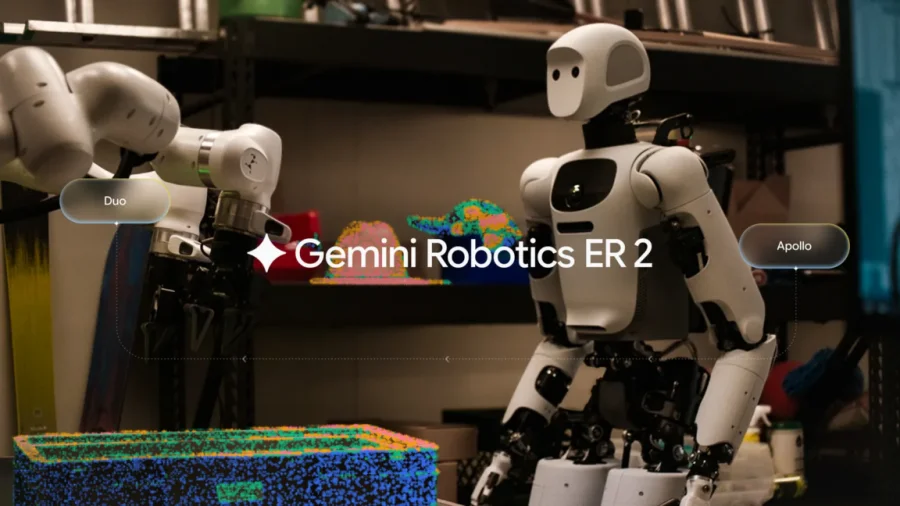

Google DeepMind has unveiled Gemini Robotics 2.0, a significant step forward in the quest to build robots that can think, act, and react like humans. The new system promises to give robots improved dexterity, better safety features, and the ability to handle far more complex tasks than before.
According to SBS Education, the new model integrates vision, language, and action into a single system. This allows robots to perceive their surroundings in real-time, reason about what they see, and then execute physical tasks without needing step-by-step programming.
What Makes Gemini Robotics 2.0 Different
For years, viral videos have shown robots running, dancing, and doing backflips. But those machines were programmed for those single, narrow tasks. The goal of Gemini Robotics is different. Google DeepMind scientists describe it as "physical AGI" — a generalist robot that can do anything a human could do. With Gemini Robotics 2.0, you simply tell the robot what to do, and it figures out how to do it.
As noted by SBS Education, the system uses a trio of new sub-models. One of these sub-models is being made publicly available to developers starting today, allowing them to build and test their own robotic applications.
Improved Dexterity and Task Handling
The new system allows robots to perform over 150 complex tasks. This is a massive jump from earlier versions, which could only handle a handful of pre-programmed actions. The robots can now continuously analyze changing environments and collaborate with other robots to complete jobs.
According to YouTube, Gemini Robotics 2.0 introduces on-device AI, which means the robot's brain runs directly on the machine itself. This reduces lag time, allowing the robot to react almost instantly to changes in its environment.
Safety at the Core
Safety is a major focus of the new release. Google DeepMind has embedded safety-conscious AI principles directly into Gemini Robotics. The company has drawn inspiration from Isaac Asimov's famous laws of robotics, which prioritize human safety above all else.
As reported by SBS Education, these safety measures are designed to ensure that as robots become more capable and autonomous, they remain safe to operate around humans. The system is built to avoid harmful actions and to stop or adjust its behavior if it detects a potential danger.
Our Take: A Major Step Toward Useful Robots
This is not just another incremental update. Gemini Robotics 2.0 represents a genuine shift in what robots can do. The move from single-task machines to generalist robots that can understand and act on human commands is the holy grail of robotics.
In our view, the most important part of this announcement is the safety focus. As robots become more powerful, the potential for accidents grows. By building safety principles directly into the AI model, Google DeepMind is taking a responsible approach. The public availability of one sub-model is also a smart move — it will let developers around the world test and improve the technology.
To put it plainly, we are still years away from having a robot that can do everything a human can. But with Gemini Robotics 2.0, Google has shown that the path to that future is becoming clearer and safer.
