

Summary
Google is moving toward a future where search is powered entirely by artificial intelligence. At the recent I/O 2026 event, company leaders made it clear that they no longer see AI as just an extra feature, but as the core of how search works. This shift changes the way people find information, moving away from a list of links to a conversational system. Despite some criticism from the public, the company is seeing record-breaking growth in how people use these new tools.
Main Impact
The biggest change for users is the move to "agentic" AI. This means the search engine acts more like a personal assistant than a simple directory. Instead of just showing a list of websites, Google now provides direct answers and asks follow-up questions to help users find exactly what they need. This keeps people on Google’s own pages longer and changes the basic way we interact with the internet. It turns a simple search into a back-and-forth conversation.
Key Details
What Happened
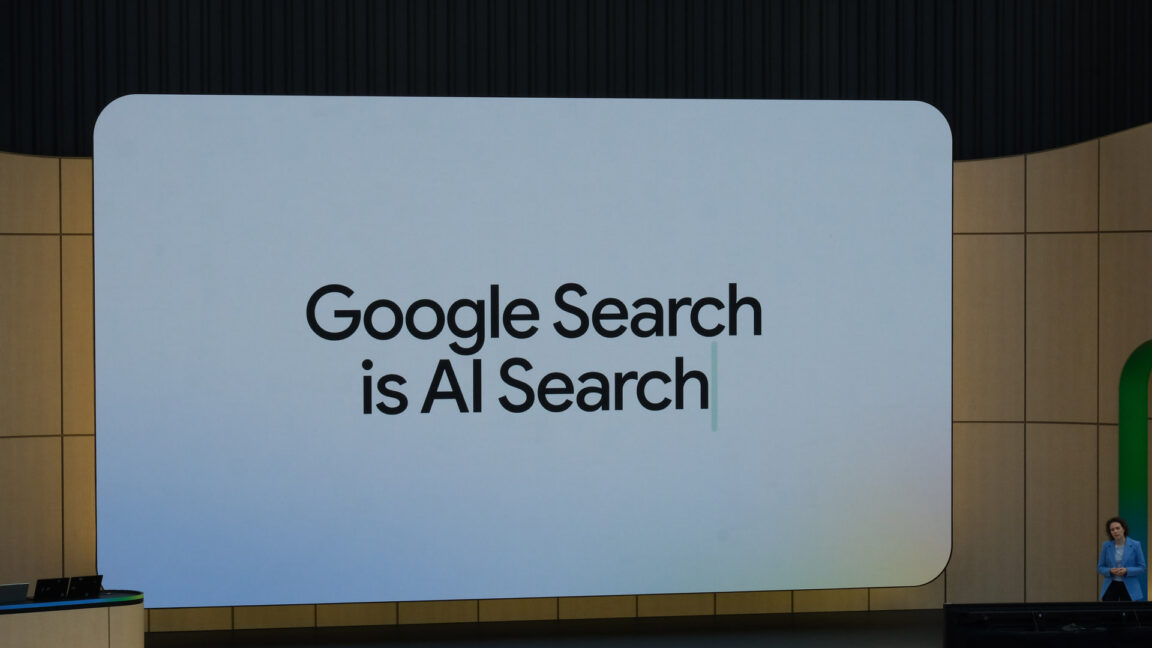
During the I/O 2026 keynote, Google’s search vice president, Liz Reid, stated that "Google search is AI search." This marks the end of the transition period where AI was an optional mode. The company has spent the last year pushing its AI Mode to all users, making it the primary way to get results. This system uses advanced software to read the web and summarize it for the user in real-time.
Important Numbers and Facts
The growth of this new system has been very fast. Google reported that the use of AI Mode has been doubling every three months. As of May 2026, more than 1 billion people use the AI search features every month. One reason for this high usage is that Google has made the service free for everyone. While other companies often charge for advanced AI, Google has integrated it into its standard search product at no extra cost.
Background and Context
For decades, Google worked by sending people to other websites. If you wanted to know how to fix a sink, Google gave you a list of blogs and videos. Now, Google wants to provide the answer itself. This shift started a few years ago with small summaries at the top of the page. Over time, these summaries became more advanced. The company believes that users want to save time and get facts immediately without having to click through multiple links and read long articles.
Public or Industry Reaction
The reaction to these changes has been split. Many everyday users appreciate the speed and ease of getting a direct answer. However, many website owners and creators are worried. They fear that if Google provides all the information on its own page, nobody will visit their websites anymore. This could make it hard for writers and publishers to stay in business. There are also concerns about the accuracy of AI answers, as the software can sometimes make mistakes or leave out important context. Despite these complaints, Google is sticking to its plan because its data shows that people are searching more often than ever before.
What This Means Going Forward
In the future, Google search will likely become even more active. The term "agentic" suggests that the AI will soon be able to perform tasks for you. For example, if you search for a flight, the AI might not just show you prices but also offer to book the ticket and add it to your calendar. This will make the search engine a central part of how people manage their daily lives. For businesses, it means they will have to find new ways to get noticed in a world where a chatbot provides the final answer to most questions.
Final Take
Google is using its massive power to change the rules of the internet. By making AI the heart of search, they are prioritizing speed and convenience for the user. While this creates challenges for traditional websites, the massive growth in user numbers suggests that the public is ready for this change. The era of clicking through pages of links is coming to an end, replaced by a digital assistant that aims to provide everything you need in one place.
Frequently Asked Questions
What is Google AI Mode?
It is a search feature that uses artificial intelligence to give direct answers and have a conversation with the user instead of just showing a list of website links.
Is there a cost to use Google’s AI search?
No, Google has made its AI search features free for all users, unlike some other AI tools that require a monthly subscription.
Why is Google changing how search works?
Google wants to make searching faster and more helpful. Their data shows that users perform more searches when they can ask follow-up questions and get direct summaries.
