
Summary
Google has announced a major update for its Google Home system, bringing more advanced artificial intelligence to smart speakers and security cameras. The update introduces the Gemini 3.1 AI model, which is designed to make voice commands more reliable and easier to use. Users will also see improvements in how they view camera feeds and how the system labels events. These changes aim to fix common frustrations where smart home devices fail to understand complex requests or make it hard to find specific video clips.
Main Impact
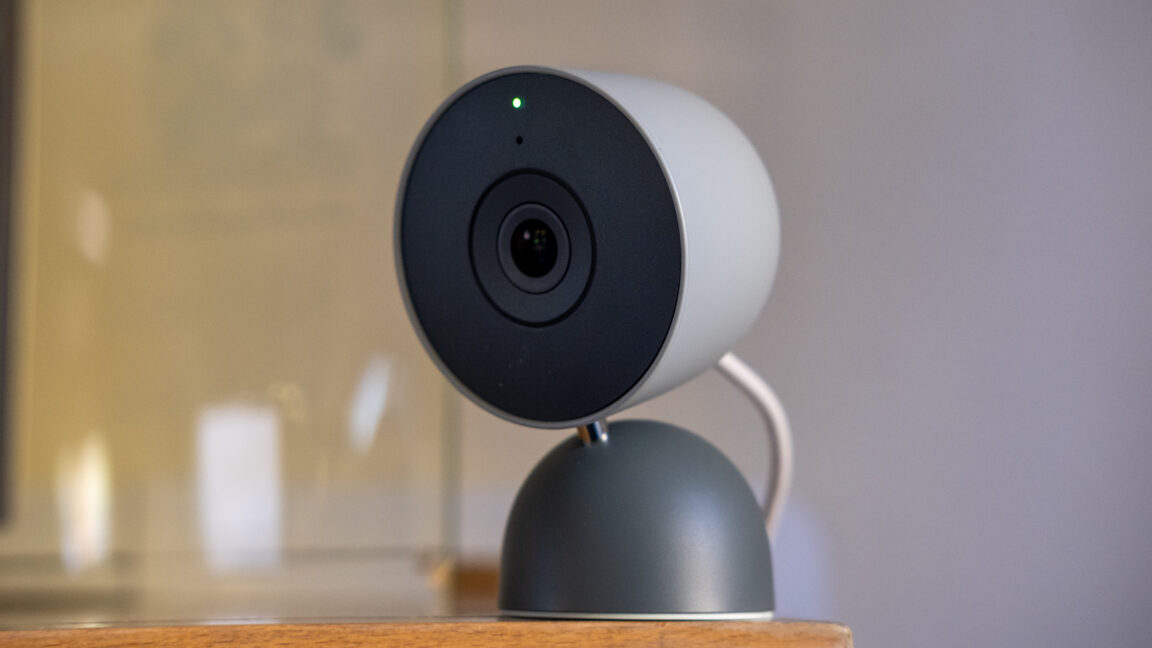
The primary impact of this update is a smarter, more capable voice assistant. By moving to the Gemini 3.1 model, Google Home devices can now handle "multi-step" commands. This means a user can ask the assistant to do several things at once in a single sentence, rather than giving separate orders for each task. Additionally, the update makes security camera management much smoother. The AI is now better at identifying what is happening in a video, which helps homeowners quickly see if a package was delivered or if a person was at the door without scrolling through hours of footage.
Key Details
What Happened
Google is rolling out these new features to users who are part of its early access program. This follows a larger effort by the company to rebuild the Google Home app using modern AI technology. The update focuses on two main areas: how the assistant talks to you and how you interact with your home security hardware. The goal is to move away from old-fashioned voice assistants that only understand very specific phrases and move toward a system that understands natural human speech.
Important Numbers and Facts
The Gemini 3.1 model was first introduced for other Google services in February 2026, but this is the first time it has been fully integrated into the Home ecosystem. In technical tests, this AI model showed significant improvements in solving logic problems. It performed well in tests known as ARC-AGI-2 and Humanity's Last Exam. These tests measure how well an AI can use specific knowledge to solve tricky puzzles. While most people will not ask their light bulbs to solve math problems, this logic helps the AI understand the difference between a command to "dim the lights" and "turn them off in ten minutes."
Background and Context
For a long time, smart home technology has been a bit difficult to use. Many people found that their smart speakers would often say they did not understand a request or would perform the wrong action. This happened because the older software was looking for exact keywords. If you did not say the command perfectly, it would fail. Google is trying to solve this by using Large Language Models, which are the same kind of technology used in popular AI chatbots. By putting this technology into home devices, Google wants to make the "smart home" feel more like a helpful person and less like a computer that is hard to talk to.
Public or Industry Reaction
People who follow the tech industry have noted that Google is moving quickly to put its best AI into every product it owns. Some experts have pointed out that while the logic test scores are impressive, the most important thing for a regular user is consistency. Most families use smart speakers for simple things like setting timers, playing music, or controlling lights. The reaction from early testers has been positive regarding the "multi-step" commands. Being able to say, "Hey Google, turn off the TV and start the vacuum," saves time and makes the technology feel more advanced than older versions that could only do one thing at a time.
What This Means Going Forward
This update is a sign that the way we control our homes is changing. We are moving toward a future where we do not need to learn how to talk to a machine. Instead, the machine is learning how to talk to us. As Gemini 3.1 becomes available to more people, we can expect other companies to follow suit with their own AI updates. For Google Home users, the next steps will likely involve even deeper integration, where the AI might suggest routines based on your daily habits without you even having to ask. However, for now, the focus remains on making sure the basic features work every single time without errors.
Final Take
Google is making a strong push to lead the smart home market by using its most powerful AI tools. By making voice assistants smarter and camera feeds easier to read, they are addressing the biggest complaints users have had for years. This update makes the technology more accessible to everyone, regardless of how tech-savvy they are. As these features move from early access to the general public, the standard for what a smart home can do will likely reach a new level of convenience and reliability.
Frequently Asked Questions
What is Gemini 3.1 in Google Home?
Gemini 3.1 is Google's latest artificial intelligence model. In Google Home, it acts as the "brain" for your smart speakers, allowing them to understand more complex and natural voice commands.
Can I use multiple commands at once now?
Yes. With the new update, you can give a single prompt that includes several different tasks, such as turning off the lights and locking the doors at the same time, without pausing between requests.
Who can get this update right now?
The update is currently rolling out to users who have signed up for the Google Home early access or "Public Preview" channel. It will likely be released to all users after the testing phase is complete.