
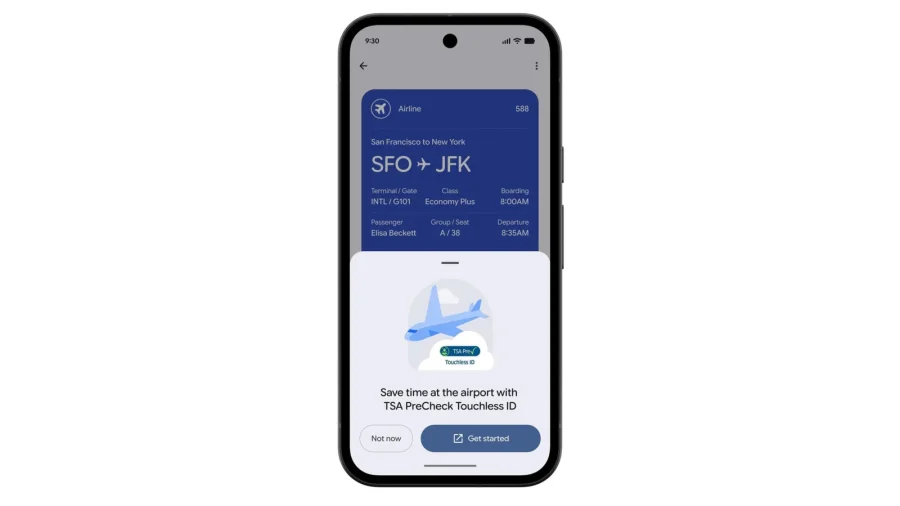

Google has announced that it will soon make it easier for travelers to use TSA PreCheck Touchless ID through Google Wallet. The move aims to speed up airport security by allowing passengers to verify their identity without needing to show a physical ID or boarding pass.
How TSA PreCheck Touchless ID Works
According to Engadget, the TSA PreCheck Touchless ID system uses facial comparison technology to quickly verify a traveler's identity. Members can use dedicated lanes at participating airports where they simply walk through a camera-equipped checkpoint. The system matches their face to the photo on file with TSA, eliminating the need to dig out a driver's license or passport.
Google Wallet will integrate this feature, making it even more seamless for users. Instead of relying on a separate app or physical card, travelers will be able to store their TSA PreCheck credentials directly in Google Wallet. This means they can tap their phone at the checkpoint and proceed without any extra steps.
What This Means for Travelers
As reported by Google's official blog, the integration is designed to simplify the airport experience. Travelers who already use Google Wallet for payments or boarding passes will now have one less thing to worry about. The system is expected to reduce wait times and make security lines move faster.
Currently, TSA PreCheck Touchless ID is available at select airports, including Atlanta (ATL), Philadelphia (PHL), and New York LaGuardia (LGA). According to HS Today, the program uses exclusive, dedicated lanes for members, ensuring a smoother process. The new Google Wallet integration will likely expand the reach of this technology, making it accessible to more passengers.
Our Take: A Step Toward Frictionless Travel
In our view, this is a smart move by Google and TSA. Travelers are always looking for ways to save time at the airport, and anything that reduces the need to fumble for documents is welcome. The Touchless ID system is already popular among those who have used it, with many praising its speed and convenience.
However, there are valid concerns about privacy and facial recognition technology. Some travelers may be uncomfortable with having their face scanned at security checkpoints. Google and TSA will need to be transparent about how data is stored and used. If they can address these concerns, this feature could become a standard part of air travel.
To put it plainly, this is a win for efficiency. But it also raises questions about how much personal data we are willing to share for convenience. As with any new technology, the key will be balancing speed with security and privacy.