

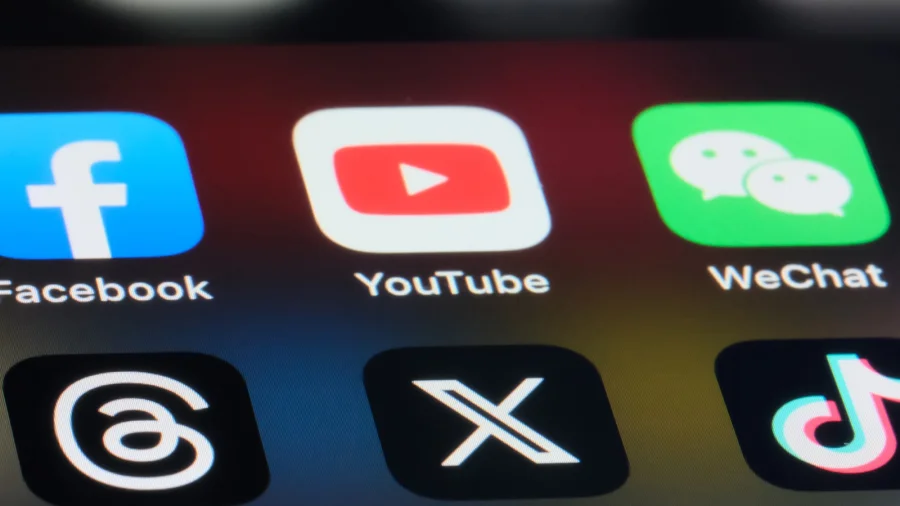

Greece has passed a social media ban for children under 15. The law follows the government's earlier announcement of the measure this year, and it now moves from a stated plan into an enacted rule. The ban directly affects children under 15 and their families, who will no longer have the same access to social media platforms as older users.
Greece Social Media Ban for Under-15s: What the Law Does
The core of the law is simple: children under 15 are banned from social media. Greece first announced the measure earlier this year, and the passage of the ban turns that announcement into official policy. The headline fact is that the country has now enacted the restriction, not just proposed it.
The ban targets social media use specifically. It does not, based on the original announcement, cover every kind of online activity — it is aimed at social media platforms and the under-15 age group.
Why Greece Moved on a Kids' Social Media Ban
Greece announced the measure earlier this year before passing it into law. The sequence matters: the government signaled its intent first, then followed through with enactment. That two-step process gave the public notice that a ban was coming, and the passage of the law confirms the plan was not abandoned.
For parents in Greece, the practical effect is that children under 15 will be treated differently from older users when it comes to social media access. The law sets a clear age line at 15.
What the Under-15 Social Media Ban Means for Families
The ban changes the rules for households with children below the age threshold. Families will need to adjust to a landscape where social media is not an option for kids under 15. The law also puts pressure on platforms to enforce the age limit, since the restriction is now official policy rather than a suggestion.
- The ban applies to children under 15 — the age line is fixed at 15
- Greece announced the measure earlier this year before passing it
- The law is now enacted, not just proposed
- The restriction targets social media access for minors
Our Take: A Clear Line, With Enforcement Questions Ahead
In our view, Greece's decision to pass this ban is a strong statement. It treats social media access for young children as something that needs a legal limit, not just parental discretion. That is a meaningful shift, and it puts the burden on platforms to actually check ages rather than look the other way.
To put it plainly, the easy part is passing the law. The hard part is making it work. Age verification is messy, and determined kids often find ways around restrictions. The success of Greece's ban will depend on how seriously platforms and authorities enforce the under-15 line.
For parents, the message is direct: the rules have changed, and children under 15 are now covered by a national ban. For everyone else, Greece's move adds to a growing debate about how young is too young for social media. The law is now on the books — what happens next is about enforcement.


