
Summary
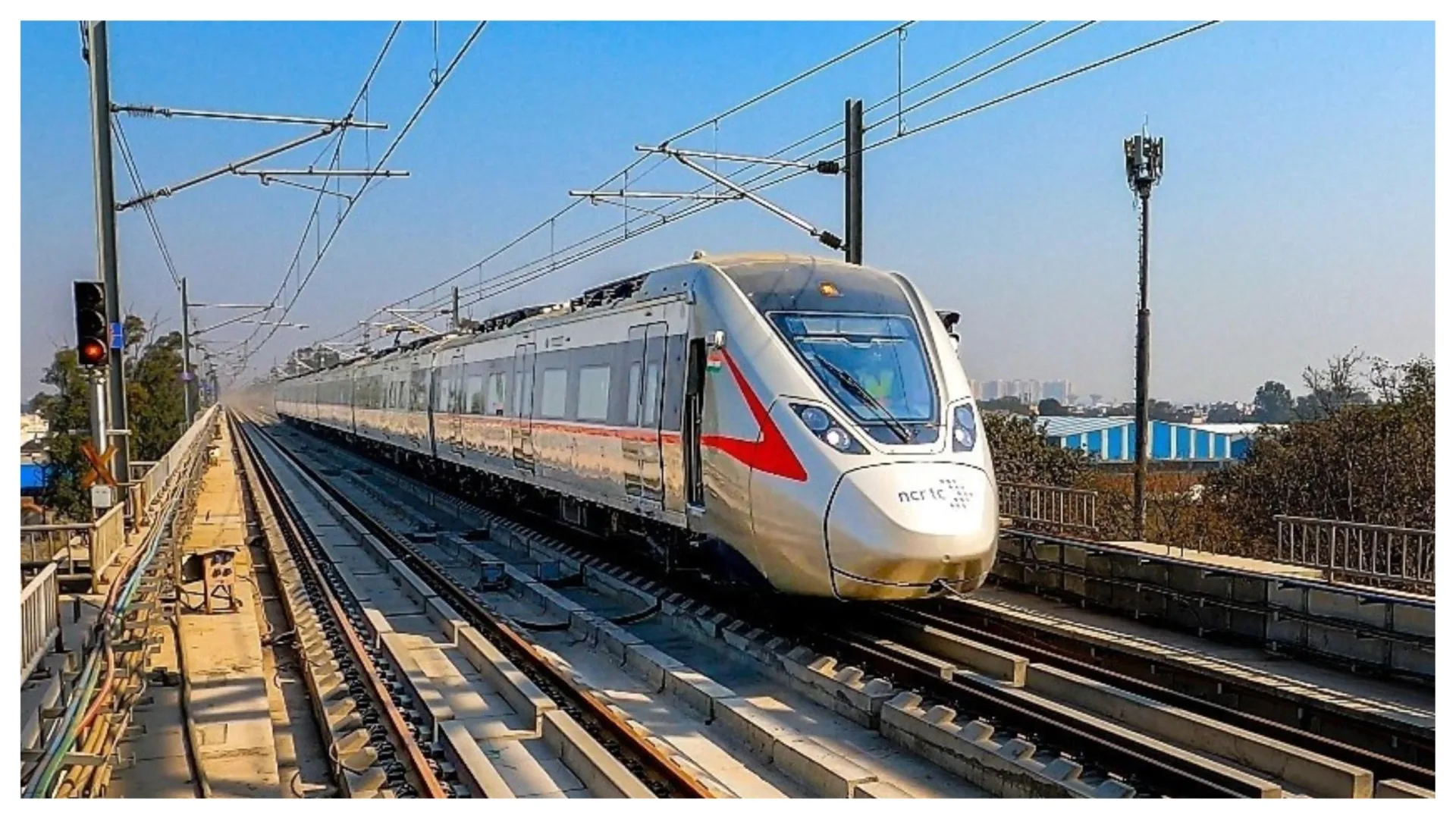
Haryana Chief Minister Nayab Singh Saini has officially approved the final route for a new high-speed rail project. This project, known as the Namo Bharat RRTS corridor, will connect Gurugram, Faridabad, and Noida. With a budget of Rs 15,000 crore, the rail line aims to fix the long-standing traffic problems in the National Capital Region. Once finished, it will allow people to travel between Gurugram and Noida in about 40 minutes, which is a huge improvement over the current two-hour drive.
Main Impact
The biggest impact of this project is the massive reduction in travel time for thousands of daily workers. Currently, moving between these three major cities is a slow and tiring process due to heavy road traffic. By introducing trains that can travel at 180 km/h, the government is creating a fast alternative to driving. This will not only save time but also reduce the number of cars on the road, leading to less air pollution and less stress for commuters.
Key Details
What Happened
The Haryana government gave the green light to the final alignment of the 64-kilometer rail corridor. A significant part of this track, about 52 kilometers, will be located within the state of Haryana. The project is unique because it uses a "dual-model" transit system. This means that both high-speed regional trains and local metro trains will share the same tracks. This smart design helps save money on construction and makes better use of the available land.
Important Numbers and Facts
The project involves several key figures and milestones that highlight its scale:
- Total Cost: Rs 15,000 crore.
- Total Length: 64 kilometers.
- Number of Stations: 18 stations will be built along the route.
- Speed: Trains will run at speeds up to 180 km/h.
- Frequency: A train will be available every five to seven minutes.
- Timeline: Construction is set to begin by December 2026, with the goal of opening the line by 2031.
The route starts in Gurugram at IFFCO Chowk and moves through Millennium City Centre and Sector 52. In Faridabad, it will pass through areas like Sainik Colony and Bata Chowk. Finally, it enters Noida near Sector 142 and ends at Surajpur Junction.
Background and Context
For a long time, the National Capital Region has struggled with a lack of direct transport between its satellite cities. People traveling from Gurugram to Noida often have to drive through the middle of Delhi, adding hours to their journey. While the Delhi Metro exists, it requires multiple transfers for this specific route. The Namo Bharat RRTS is designed to bypass the crowded center of Delhi entirely. It acts as a direct bridge between the industrial zones of Haryana and the technology hubs of Uttar Pradesh. This project is part of a larger plan to modernize how people move in and around the capital.
Public or Industry Reaction
The announcement has been received with excitement by both residents and business leaders. Real estate experts believe that property values in Faridabad and along the Noida expressway will rise significantly. Since these areas will now be just a short train ride away from major job centers, more people will want to live there. Business owners also see this as a win, as it will be easier for them to hire employees from different parts of the region. Commuters have expressed relief on social media, hoping that the project stays on schedule so they can finally avoid the daily traffic jams on the roads.
What This Means Going Forward
The next immediate step is for the National Capital Region Transport Corporation to finish the detailed project report. Once the paperwork is done, the focus will shift to acquiring land and starting the actual building process. Over the next few years, residents should expect to see a lot of construction activity along the route. If the 2031 deadline is met, this rail line will change the way the region functions. It will turn Gurugram, Faridabad, and Noida into one large, connected area where distance is no longer a barrier to work or social life.
Final Take
This high-speed rail project is a bold step toward a more connected future. By spending Rs 15,000 crore, the government is betting that better transport will lead to more growth and a better quality of life. While the five-year construction wait may seem long, the promise of crossing the region in under an hour is a goal worth pursuing. It marks a shift from slow road travel to a modern, efficient rail system that meets the needs of a growing population.
Frequently Asked Questions
How fast will the trains travel on this new route?
The Namo Bharat trains are designed to reach speeds of up to 180 km/h, making them much faster than standard metro trains or cars in traffic.
When will the Gurugram-Noida rail line be ready for passengers?
Construction is expected to start in late 2026, and the government aims to have the entire corridor operational by the year 2031.
Will this project replace the existing metro services?
No, it will work alongside them. The project uses a hybrid system where both high-speed regional trains and local metro services can run on the same tracks to provide more options for travelers.