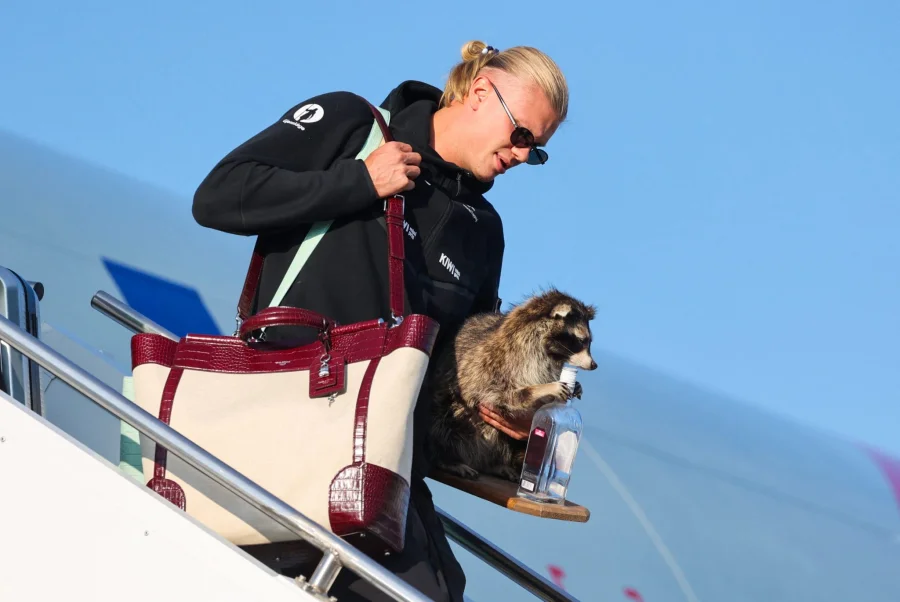

Erling Haaland was the biggest star of this World Cup. Fans around the world fell in love with the Norwegian striker as he chased the Golden Boot and shared moments with Birkin bags, Katz’s Deli, and a taxidermied raccoon. But his impact went beyond social media. According to Visa data, Haaland drove what the company called a “pop-up economy” in Norway.
Visa Data Shows Spending Surge During Norway Matches
The credit card provider disclosed to Fortune that transaction volumes inside Norway nearly doubled during the team’s matches. This spending spike grew as Norway advanced deeper into the tournament. The deeper Norway’s World Cup run went, the more money flowed through the economy at home.
According to Fortune, Visa’s data showed that the spending followed Haaland off the field as much as it followed the team on it. Fans were not just watching games — they were buying food, drinks, merchandise, and more during match times.
Haaland’s Social Media Star Power Drove the Boom
Haaland entered the World Cup with over 72 million social media followers. His adventures in the United States — including visits to iconic spots like Katz’s Deli — made him a global personality beyond football. This off-field fame translated into economic activity back home.
According to Fortune, the “pop-up economy” was directly tied to Haaland’s popularity. As he scored goals and gained attention, Norwegian fans spent more. The credit card data showed a clear link between match days and increased consumer spending.
What This Means for Norway’s Economy
The Visa data reveals a new kind of economic impact from sports. It is not just about ticket sales or tourism. A single player’s performance can create a temporary economic boom in their home country. For Norway, this was the deepest World Cup run in their history, and the spending followed.
According to Fortune, transaction volumes nearly doubled during matches. This means more money moved through shops, restaurants, and online platforms when Norway played. The “pop-up economy” was real and measurable.
Our Take: The Haaland Effect Is a New Economic Model
In our view, this Visa data proves something important. Star athletes today are not just players — they are economic engines. Haaland’s ability to drive spending in Norway during the World Cup shows how social media fame and on-field success combine to create real financial impact. This is not a one-time event. As football becomes more global, other nations may see similar booms when their stars shine on the biggest stage. The “pop-up economy” is here to stay.