
Summary
On Sunday, May 10, 2026, several districts in Haryana held local body elections to choose new mayors, presidents, and ward councillors. The elections took place in major areas including Panchkula, Ambala, Sonepat, Rewari, Rohtak, and Hisar. While some regions saw a very high number of people coming out to vote, others had a more moderate turnout. These elections are important because they determine who will manage local city services and daily public issues for the next few years.
Main Impact
The primary impact of this election is the shift in local leadership across three major municipal corporations and several smaller committees. The voter turnout data gives a clear picture of public interest in local governance. High participation in places like Rohtak and Hisar suggests a strong desire for change or active support for local candidates. Conversely, the lower percentage in Sonepat, despite having the largest number of total voters, shows a different level of engagement in bigger urban centers. These results will influence how local budgets are spent on roads, sanitation, and public safety.
Key Details
What Happened
The voting process began early Sunday morning across various districts. Residents cast their votes to elect Mayors and ward councillors in Ambala, Panchkula, and Sonepat. In other areas like Rewari, Rohtak, and Hisar, the elections were held for the posts of presidents and members of municipal councils and committees. To make the process organized, officials set up two separate electronic voting machines (EVMs) at each booth. One machine was used specifically for the mayoral or presidential candidates, while the second was for choosing ward councillors.
Important Numbers and Facts
The voter turnout varied significantly across the state. Here is a breakdown of the final numbers recorded during the day:
- Rohtak (Sampla): This district saw the highest participation with a 79.2 per cent turnout. Out of 15,624 eligible voters, 12,372 cast their ballots.
- Hisar (Uklana): This area also had a high turnout of 75.7 per cent, with 11,744 people exercising their right to vote.
- Rewari: The turnout here was 66.1 per cent. A total of 92,783 votes were polled from an electorate of over 1.4 lakh.
- Ambala: This city recorded a 54.4 per cent turnout, with 1,07,790 votes cast.
- Panchkula: The overall turnout was 53.3 per cent, with 1,10,537 people visiting the polling stations.
- Sonepat: This district had the lowest percentage at 48.2 per cent. However, it had the highest volume of voters, with 1,42,549 people casting their votes out of nearly 2.96 lakh eligible citizens.
Background and Context
Local body elections in Haryana are often seen as a test for the major political parties. This year, the main contest was between the Bharatiya Janata Party (BJP) and the Congress party, though Independent candidates and the Indian National Lok Dal (INLD) also played a role. In Panchkula, the turnout has seen a downward trend over the years. In 2013, the turnout was over 64 per cent, but it dropped to around 54 per cent in 2020, and stayed near that level this year. These elections matter to the average person because the winners handle everyday problems like fixing potholes, managing garbage collection, and ensuring clean water supplies.
Public or Industry Reaction
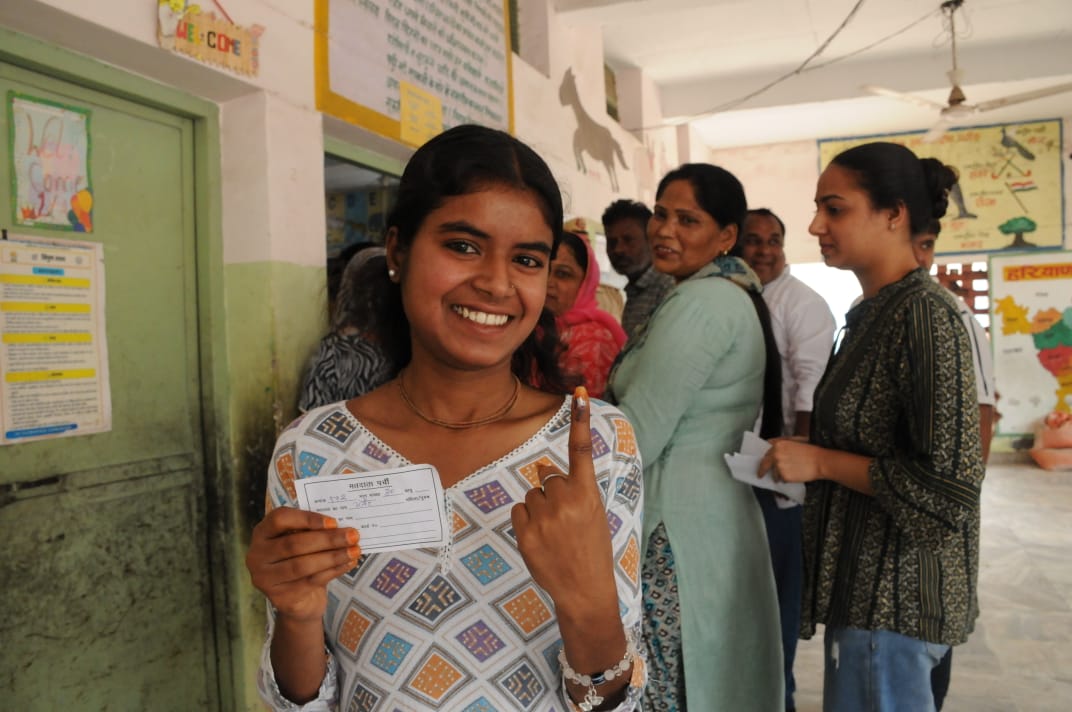
The mood at the polling stations was a mix of excitement and serious concern for local issues. Many senior citizens were among the first to vote. For example, former Army Chief General VP Malik was one of the early voters in Panchkula. Younger voters also showed up, including 20-year-old Anjali, who expressed pride in casting her first-ever vote. Voters mentioned that they view these elections as just as important as national elections because local leaders are easier to reach for daily help. Political leaders from the BJP were seen encouraging their workers to help more people get to the booths when polling seemed slow in the afternoon.
What This Means Going Forward
Now that the voting is over, the focus shifts to the counting of votes and the announcement of winners. The results will show whether the public prefers the established national parties or if they are leaning toward independent local leaders. For the winners, the immediate task will be addressing the concerns raised by voters during the campaign, such as better roads and improved civic amenities. The turnout figures will also be studied by political experts to understand voter behavior before the next major state elections. If the turnout remains low in urban areas like Sonepat, officials may need to find new ways to encourage more people to participate in the future.
Final Take
The Haryana local body polls show that while interest in local politics remains high in smaller towns and rural committees, larger cities still struggle with lower voter participation. The use of separate machines for different roles helped keep the process clear for voters. As the state waits for the final results, the high turnout in places like Rohtak serves as a reminder of how much local leadership matters to the community. These elections are a vital step in ensuring that city management stays accountable to the people it serves.
Frequently Asked Questions
Which district had the highest voter turnout in the Haryana local polls?
Rohtak recorded the highest voter turnout at 79.2 per cent in the Sampla Municipal Committee election.
How many EVMs were used at each polling station?
Two separate electronic voting machines (EVMs) were used at each booth: one for the mayoral or presidential candidates and one for the ward councillors.
What were the main issues for voters in this election?
Most voters were concerned with local civic issues, including road repairs, cleanliness, garbage disposal, and better street lighting.