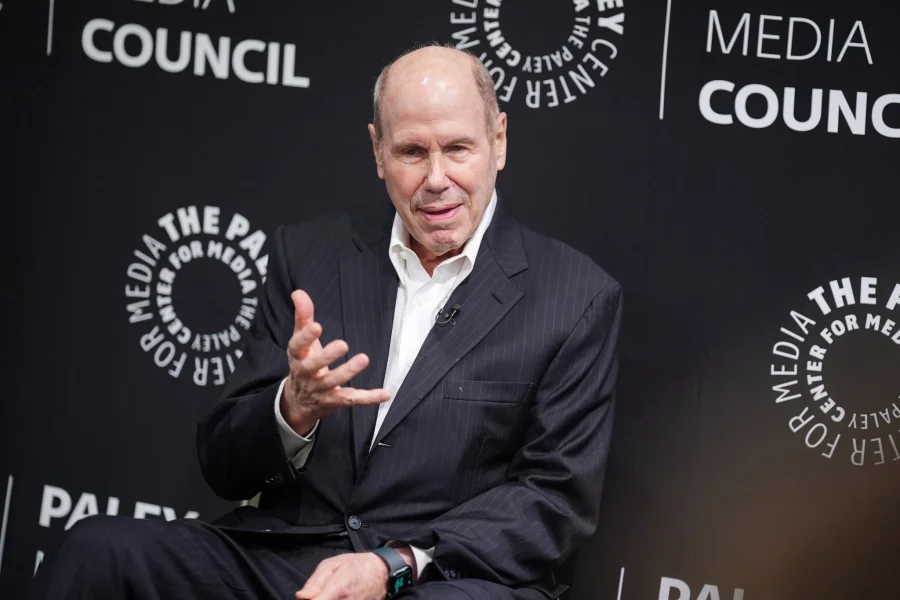

Former Walt Disney Company CEO Michael Eisner has delivered a blunt assessment of Hollywood’s long struggle with video games. Speaking at the Paley Center for Media’s discussion “Sports in the Gaming Era,” Eisner said the entertainment industry consistently failed to turn its most valuable intellectual property into successful gaming experiences.
“We all failed,” Eisner said, according to a report by Fortune. “We ended up licensing. That’s how we succeeded.”
Hollywood’s pattern of misjudging new formats
Eisner used gaming as the central example of a pattern that has played out across Hollywood for decades. He argued that media companies possess enormously valuable IP, yet consistently misjudge how — or whether — to extend it into unfamiliar formats.
According to Fortune, Eisner traced this pattern back to the early days of the industry. Instead of building internal gaming studios or developing original interactive experiences, Hollywood studios repeatedly chose to license their characters and stories to outside game developers.
That approach, Eisner suggested, was a safe but ultimately limited strategy. Licensing allowed studios to generate revenue without taking on the risk of building new capabilities. But it also meant they never truly owned the gaming side of their own IP.
What Eisner’s admission means for the industry
Eisner’s comments are significant because they come from someone who led Disney through a period of massive IP expansion. Under his leadership, Disney revived its animation studio, launched new theme park attractions, and built a global brand around characters like Mickey Mouse and Simba.
Yet even Disney, with all its resources, struggled to crack the video game market. The company has licensed its characters to game developers for decades, from early console titles to modern mobile games. But it has rarely produced blockbuster games of its own.
Eisner’s point is that this was not just Disney’s problem — it was Hollywood’s problem. Every major studio had valuable IP. Almost none of them figured out how to turn that IP into great video games.
Our Take: A honest admission from a former insider
Eisner’s admission is refreshingly honest. Most former executives defend their record. Eisner instead said “we all failed” — including himself.
In our view, his comments highlight a deeper truth about Hollywood. The industry is built around storytelling, but it has never been good at building technology businesses. Video games require engineering, live operations, and long-term player engagement — skills that movie studios simply do not have.
Licensing was the easy way out. It made money, but it also meant Hollywood gave up control of its own IP in the most interactive medium of all. Eisner’s message is a warning for today’s media companies: if you want to own the future of your IP, you have to build the capability yourself — not just license it away.
The question now is whether today’s studios will learn from that failure, or repeat it.