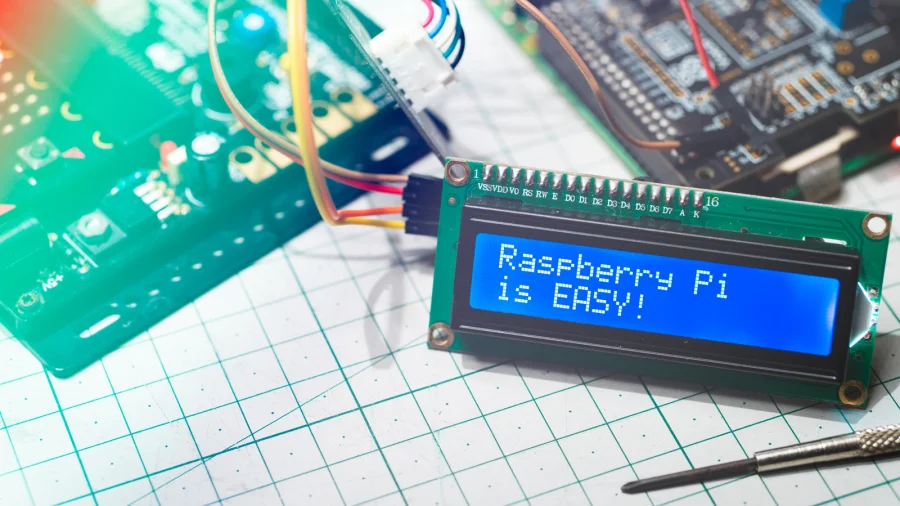

Smart home automation keeps getting better, and one of the most popular ways to run it is by pairing Home Assistant with a Raspberry Pi. Home Assistant is open-source software that lets you control smart devices from one place. The Raspberry Pi is a small, affordable computer that can run it around the clock. Together, they give you a flexible and low-cost smart home setup.
If you are new to this combo, here are four cool projects you can try.
1. Build a Custom Smart Home Dashboard
One of the first things people do with Home Assistant on a Raspberry Pi is set up a dashboard. This dashboard shows all your smart devices in one place — lights, plugs, sensors, cameras, and more. You can design it the way you want and check everything from your phone, tablet, or a wall-mounted screen. It puts full control in your hands without needing multiple apps.
2. Set Up Voice Control for Your Home
Home Assistant supports voice control, and a Raspberry Pi can handle the processing. You can connect microphones and speakers to build your own voice assistant. This means you can turn lights on and off, adjust thermostats, or play music using just your voice. The best part is that it can run locally, so your voice data stays in your home.
3. Create a Home Security and Monitoring System
You can turn your Raspberry Pi into a security hub with Home Assistant. Connect cameras, motion sensors, and door sensors to keep an eye on your home. The system can send you alerts when something unusual happens. You can also set it to record video or trigger lights when motion is detected. It is a practical project that adds real safety value.
4. Automate Daily Routines and Scenes
Home Assistant shines when it comes to automation. With a Raspberry Pi running it, you can create routines that trigger based on time, motion, or other conditions. For example, lights can dim in the evening, or your coffee maker can start when your alarm goes off. You can also set up scenes that change multiple devices with one tap — like a "movie night" scene that dims lights and closes blinds.
Our Take: Why This Combo Is Worth Trying
In our view, Home Assistant on a Raspberry Pi is one of the best entry points into serious smart home automation. It is affordable, private, and gives you control that big-brand systems often lock behind subscriptions. These four projects show how versatile the setup can be. Whether you want a simple dashboard or a full security system, this combo can handle it. If you are curious about smart home tech, this is a great place to start.
To put it plainly, you do not need to spend a lot to get a smart home that works the way you want. A Raspberry Pi and Home Assistant give you the tools — the rest is up to your imagination.