


The Indian government has officially designated 23 individuals as "terrorists" under the Unlawful Activities (Prevention) Act (UAPA). The list includes 17 Pakistani nationals and six Indian nationals who are alleged to be operating from Pakistan and Pakistan-occupied Kashmir.
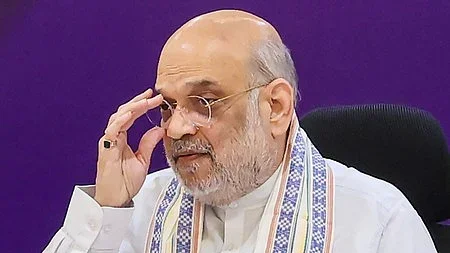
Union Home Minister Amit Shah announced the move on social media platform X on Saturday. He stated that the Ministry of Home Affairs had designated 23 "dreaded terror functionaries" linked to banned organisations under the provisions of the UAPA.
Who are the designated individuals and what are they accused of?
According to the Home Ministry, the individuals named are involved in a range of anti-India activities. These include carrying out terror attacks, inciting violence, arms trafficking, infiltration across the border, fundraising, recruitment, and providing logistical support for militant outfits.
According to Akashvani News, the Ministry of Home Affairs issued a series of gazette notifications under the UAPA to formalise the designations. The move is part of a broader crackdown on terrorism, specifically targeting operatives linked to groups like Lashkar-e-Taiba (LeT) and Jaish-e-Mohammed (JeM).
What does this designation mean under UAPA?
Formally listing these individuals as terrorists under the UAPA is a significant legal step. The Home Ministry has indicated that this designation will help choke the financial and logistical networks that support these operatives. It also strengthens the government's ability to take action against their assets and associates.
According to Punjab Newsline, the declaration is aimed at disrupting the operations of these individuals who are believed to be orchestrating activities from across the border. The government's action sends a clear message that it is committed to dismantling terror networks.
Our Take: A strong step against cross-border terror
In our view, this is a decisive and necessary move by the Indian government. By officially naming these 23 operatives as terrorists under the UAPA, the Centre is not just making a symbolic statement — it is taking concrete legal action. The designation allows authorities to freeze assets, block funding, and prosecute anyone who supports these individuals.
To put it plainly, this action targets the command and support structures of terror groups that have long operated from Pakistani territory. The inclusion of both Pakistani and Indian nationals on the list shows that the government is focused on the network itself, not just the nationality of the operatives. This is a practical approach to counter-terrorism that prioritises results over rhetoric.