
Summary
Recent attacks on major aluminum production sites in the United Arab Emirates (UAE) and Bahrain have resulted in several injuries and significant concern across the Gulf. These strikes are part of a continuing series of aggressive actions in the region that officials have linked to Iran. By targeting industrial centers rather than just military or energy sites, these attacks represent a shift in regional conflict. The events have put global supply chains on high alert and raised questions about the safety of industrial workers in the Middle East.
Main Impact
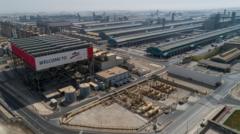
The primary impact of these strikes is the immediate threat to the global supply of aluminum. The UAE and Bahrain are home to some of the largest aluminum smelters in the world, providing essential metal for the car, plane, and construction industries. When these facilities are hit, it creates a ripple effect that can lead to higher prices for consumers worldwide. Additionally, the physical danger to the workforce has created a sense of fear, forcing major companies to rethink their security measures and daily operations.
Key Details
What Happened
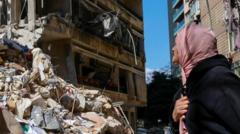
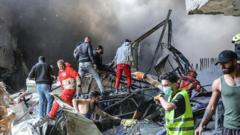
The attacks took place at high-capacity industrial zones where aluminum is processed and shaped. Witnesses reported hearing loud explosions followed by smoke rising from the facilities. Emergency services were called to the scene immediately to treat workers who were hurt during the blasts. While the exact method of the attack is still being studied, early reports suggest the use of drones or long-range missiles. This follows a pattern of similar incidents that have troubled the Gulf region over the past several months.
Important Numbers and Facts
Initial reports confirm that multiple people were injured, though the exact number is still being verified by local hospitals. The UAE and Bahrain together account for a significant portion of the world’s aluminum exports. For example, one of the targeted sites is known to produce hundreds of thousands of tonnes of metal every year. The timing of the attacks on March 29, 2026, suggests a coordinated effort to disrupt the start of the business week in the region. Security experts note that this is the third major industrial incident in the Gulf in the last thirty days.
Background and Context
The Gulf region is one of the most important areas in the world for trade and energy. For decades, countries like the UAE and Bahrain have worked to build economies that do not rely only on oil. Aluminum production is a huge part of this plan. These nations have invested billions of dollars into modern factories that use advanced technology to create high-quality metal. However, this growth has happened alongside long-standing tensions with Iran. The two sides have often disagreed over who should control the waters of the Gulf and how trade should be managed. In recent years, these disagreements have turned into physical attacks on ships and now, on land-based factories.
Public or Industry Reaction
Government officials in the UAE and Bahrain have condemned the attacks, calling them a threat to international peace and trade. They have promised to increase patrols and use better technology to stop future strikes. In the business world, the reaction has been one of caution. Stock prices for some companies that rely on aluminum saw a slight change as news of the injuries spread. Industry experts are warning that if these attacks do not stop, the cost of insuring factories in the Middle East will go up. This would make it harder for these countries to compete with producers in other parts of the world.
What This Means Going Forward
Moving forward, the focus will be on how these nations defend their industrial heartlands. We can expect to see a surge in the use of air defense systems around factories and power plants. There is also the possibility of a diplomatic response, where other countries might step in to help negotiate a ceasefire or provide better security for the region. If the violence continues to escalate, it could lead to a larger conflict that involves more countries and more industries. For now, the immediate goal for the UAE and Bahrain is to repair the damage and ensure that their workers feel safe returning to the production lines.
Final Take
The strikes on aluminum sites in the Gulf show that the nature of conflict in the region is changing. By hitting the tools of economic growth, the attackers are trying to cause long-term damage that goes beyond the battlefield. The safety of workers and the stability of global trade now depend on how quickly these nations can secure their borders and find a way to lower the tension with their neighbors. The world will be watching closely to see if this marks the start of a more dangerous phase in the region's history.
Frequently Asked Questions
Why are aluminum plants being targeted?
Aluminum plants are targeted because they are vital to the economies of the UAE and Bahrain. Damaging these sites hurts the financial strength of these countries and disrupts global supply chains for many products.
How many people were hurt in the attacks?
While the exact number has not been finalized, local reports state that several workers were injured and required medical attention. Most of the injuries were caused by the force of the explosions and flying debris.
Will this make cars and electronics more expensive?
It is possible. If aluminum production is slowed down for a long time, the cost of the metal will go up. Since aluminum is used in cars, phones, and computers, those higher costs could eventually be passed on to shoppers.