
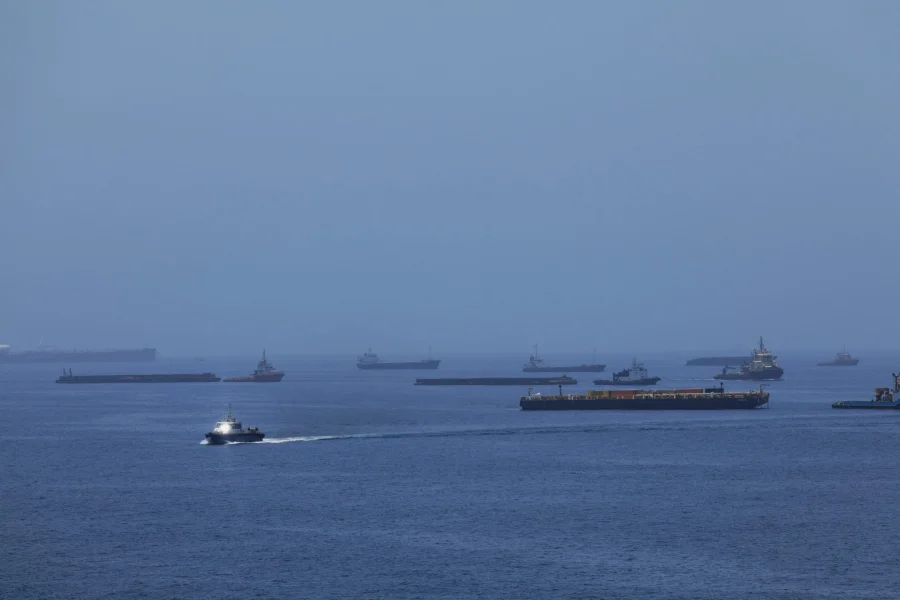

Iran’s ambassador to China has announced that Beijing will receive “special considerations” when Tehran sets new service fees for ships passing through the Strait of Hormuz. The statement came at a time when the critical waterway for global energy supplies has become a top security concern for Iran.
Iran’s envoy promises special treatment for China on Hormuz Strait fees
Speaking at the World Peace Forum in Beijing, Iran’s ambassador Abdolreza Rahmani Fazli said China and other friendly nations will be granted special treatment when Iran determines the level and nature of service fees charged to ships using the Strait of Hormuz. According to the original story, Fazli said the critical waterway for energy supplies is now a matter of “national security” in the aftermath of the four-month US and Israeli war on the Islamic Republic.
“We will definitely have special considerations for China, because China is a friendly country,” Fazli said, without specifying what those concessions would entail. The ambassador added that “special treatment we should awa…” — the statement was cut short in the original report.
New arrangements with Oman for Strait of Hormuz
Fazli also revealed that there will be new arrangements concerning the Strait of Hormuz with the collaboration and cooperation of the state of Oman. This indicates that Iran is working with regional partners to manage the waterway, which is a vital passage for oil and gas shipments from the Persian Gulf to global markets.
The announcement comes after months of conflict between Iran and the US-Israeli alliance, which has raised tensions in the region and made the Strait of Hormuz a central point of geopolitical concern.
Our Take: A strategic move with unclear details
Iran’s promise of special considerations for China is a clear diplomatic gesture aimed at strengthening ties with Beijing, which has been a key economic and political partner for Tehran. By offering preferential treatment on Hormuz Strait fees, Iran is signaling that it values China’s friendship and wants to ensure continued cooperation.
However, the lack of specifics on what these concessions actually entail is concerning. Without clear details, it is hard to know whether this is a meaningful policy shift or simply a rhetorical move. The involvement of Oman suggests Iran is trying to build a broader coalition to manage the waterway, but the success of these arrangements will depend on how they are implemented.
For global energy markets, any change in how the Strait of Hormuz is managed could have significant implications. If Iran imposes higher fees on some nations while giving discounts to others, it could create an uneven playing field and increase tensions with countries that are not considered “friendly.” The world will be watching closely to see what these special considerations actually mean in practice.