


President Donald Trump has again threatened a massive attack on Iran and then pulled back from the brink — a pattern that experts say is handing Tehran a strategic advantage in the ongoing conflict.
This time, Trump attributed his reversal to U.S. allies who pleaded with him to give diplomacy another chance. But analysts see a deeper problem: Iran is reading the hesitation as a sign of weakness and moving to exploit it.
Iran Expands Proxy War Across the Region
While Trump paused, Tehran kept pushing. Iran has used its proxy forces to widen the war beyond its own borders, according to experts tracking the conflict.
The most visible example is in the Red Sea, where Houthi rebels — backed by Iran — have been threatening ships that use the Bab el-Mandeb Strait. That waterway is a critical route for vessels trying to bypass the Strait of Hormuz, and the attacks have raised fears about global shipping safety.
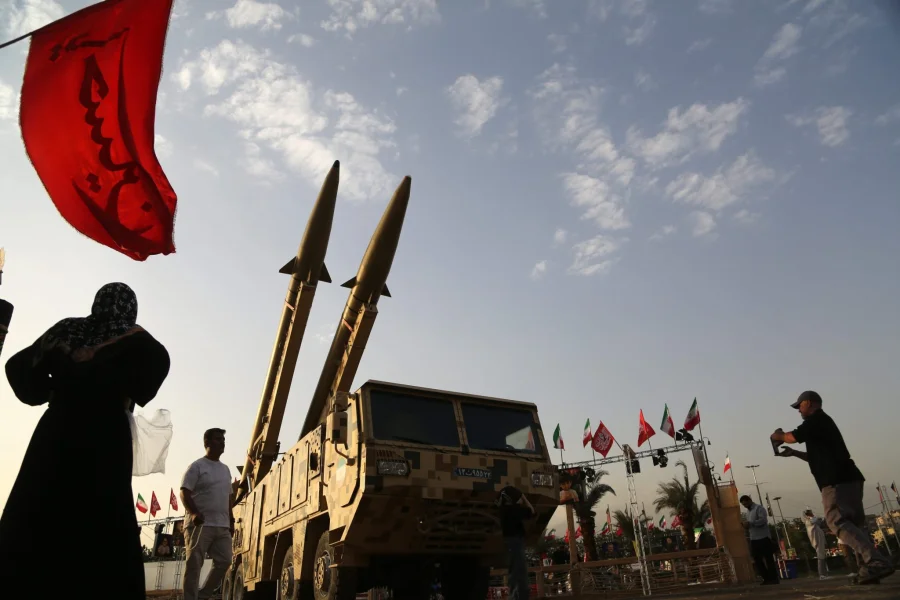
Iran has also sent a direct warning to its Persian Gulf neighbors: if the U.S. resumes bombardment, they will be targets too. That threat carries weight because Tehran has demonstrated that its long-range weapons can evade U.S. air defenses.
What Experts Say About Iran's Growing Confidence
The combination of U.S. hesitation and Iranian assertiveness has shifted the dynamic, experts say. Tehran and its clients now see an opening.
"Iran and its clients see blood in the water and see a benefit to pressing their advantage." — Experts cited in the original report
That confidence is not just rhetorical. Iran's proxies are actively operating across multiple fronts, and its missile capabilities have been proven in ways that complicate U.S. military planning.
The Pattern of Threat and Retreat
This is not the first time Trump has escalated then stepped back. The repeated cycle — threaten, hesitate, retreat — is becoming a familiar feature of the Iran war.
Each time the U.S. pulls back, it reinforces the perception that Washington is unwilling to follow through. For Iran, that perception is a strategic asset in itself.
Our Take: Hesitation Is a Strategy — and Iran Knows It
To put it plainly: the U.S. is sending mixed signals, and Iran is reading them clearly.
When a president threatens a massive attack and then backs down, it does not look like diplomacy — it looks like indecision. Iran's response — expanding proxy operations and warning neighbors — shows it is acting on that reading.
The allies who urged Trump to pause may have good intentions, but the cost of hesitation is mounting. Every retreat strengthens Iran's hand and makes the next confrontation more dangerous.
This is not a moment for more threats unless the U.S. is ready to follow through. Otherwise, the pattern will repeat — and Iran will keep exploiting it.