
Summary
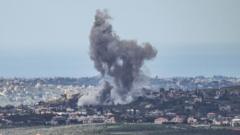
Israel has announced a significant change in its military strategy regarding the conflict in southern Lebanon. Defence Minister Israel Katz stated that the Israeli military plans to maintain control over specific areas in southern Lebanon even after the current war with Hezbollah concludes. Additionally, the Israeli government intends to demolish houses in Lebanese villages located near the border to prevent future security threats. This move is designed to create a buffer zone that ensures the safety of residents in northern Israel.
Main Impact
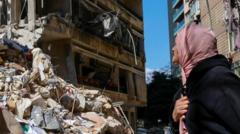
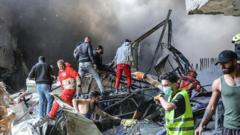
The decision to keep a military presence on Lebanese soil marks a major shift in the region's security dynamics. By holding onto this territory, Israel is signaling that it no longer trusts international agreements alone to keep its borders safe. The most immediate impact will be felt by Lebanese civilians living in border towns, as the planned demolition of homes will make it impossible for many families to return. This strategy aims to remove any infrastructure that Hezbollah could use to launch attacks, but it also raises serious questions about long-term stability and international law.
Key Details
What Happened
Defence Minister Israel Katz shared these plans during a recent briefing regarding the military's goals. He explained that the end of active combat will not result in a total withdrawal of Israeli forces. Instead, the military will stay in key areas to act as a shield for northern Israeli communities. Katz also confirmed that houses in several Lebanese villages would be torn down. The military claims these buildings have been used by Hezbollah fighters to store weapons and plan raids into Israeli territory.
Important Numbers and Facts
The conflict has already caused massive displacement on both sides of the border. Tens of thousands of people in northern Israel have been unable to live in their homes for months due to constant rocket fire. In southern Lebanon, the numbers are even higher, with hundreds of thousands of people fleeing the fighting. While the exact size of the planned security zone has not been made public, historical zones of this type have stretched several kilometers into Lebanese territory. The demolition process is expected to target structures within direct sight of the Israeli border to clear a path for military surveillance.
Background and Context
The tension between Israel and Hezbollah is not new, but it has reached a breaking point. For years, the United Nations has tried to keep the peace through Resolution 1701. This agreement was supposed to keep Hezbollah fighters away from the border and ensure that only the Lebanese army and UN peacekeepers carried weapons in the south. However, Israel argues that this agreement was never fully followed. They claim that Hezbollah built a massive network of tunnels and storage sites right under the noses of international observers. Because of this, the Israeli government feels it must take direct action to ensure its people are safe from another large-scale attack.
Public or Industry Reaction
The reaction to this announcement has been mixed and intense. Within Israel, many people living in the north support the idea of a buffer zone. They argue that they cannot go home as long as Hezbollah is just a few hundred meters away. However, the Lebanese government has strongly condemned the plan, calling it a violation of their national sovereignty. International leaders, including those from the United States and Europe, have expressed concern that occupying Lebanese land could lead to a much longer and more violent conflict. Human rights groups have also warned that destroying civilian homes could be seen as a war crime if it is not strictly necessary for military operations.
What This Means Going Forward
Looking ahead, this policy could lead to a long-term military occupation. If Israel stays in southern Lebanon, it may face constant attacks from local groups, similar to what happened during the 18-year occupation that ended in 2000. It also makes a diplomatic solution much harder to reach. If houses are destroyed and land is held, the anger in Lebanon will likely grow, potentially helping Hezbollah recruit more members. The international community will likely pressure Israel to find a way to secure its border without staying on Lebanese land, but for now, the Israeli government seems committed to this new path.
Final Take
Israel’s plan to hold territory and clear border villages shows a focus on physical security over political promises. While this might provide a sense of safety for northern Israeli towns in the short term, it creates a difficult situation for the future. The destruction of homes and the presence of foreign troops are likely to keep tensions high for years to come. The world now waits to see if this strategy will actually bring peace or if it will simply start a new chapter of unrest in an already troubled region.
Frequently Asked Questions
Why is Israel staying in southern Lebanon?
Israel says it needs to keep a military presence there to prevent Hezbollah from returning to the border and launching attacks against Israeli civilians.
What will happen to the Lebanese villages near the border?
Defence Minister Israel Katz stated that houses in these villages will be demolished to remove cover and storage areas used by Hezbollah fighters.
Is this plan legal under international law?
Many international experts and organizations argue that occupying land and destroying civilian property can violate international law, though Israel maintains these actions are necessary for self-defense.