
Summary
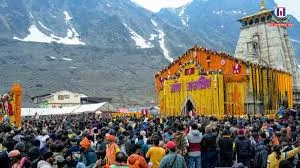
The famous Kedarnath Temple in Uttarakhand opened its doors to the public on Wednesday, April 22, 2026. Prime Minister Narendra Modi welcomed pilgrims and shared a message of faith and responsibility. He encouraged everyone visiting the shrine to keep the area clean and support local businesses. This event marks a major part of the annual Char Dham Yatra, a spiritual journey that draws thousands of people from across India.
Main Impact
The opening of the temple signals the start of the busiest travel season for the mountain region. It brings a significant boost to the local economy as pilgrims require food, lodging, and transport. Beyond economics, the event serves as a symbol of national unity. By bringing people from different states and cultures together, the pilgrimage strengthens the social bond of the country. The Prime Minister’s focus on cleanliness also sets a new standard for how large religious gatherings should be managed in environmentally sensitive areas.
Key Details
What Happened
The ceremony began early in the morning with traditional Vedic chants and prayers. As the temple gates opened, the air was filled with cheers of "Har Har Mahadev" from the waiting crowd. This ritual follows months of closure during the winter when the region is covered in heavy snow. The opening is a highly coordinated event involving temple priests, local government officials, and security forces to ensure the safety of the large number of visitors.
Important Numbers and Facts
The Char Dham Yatra follows a specific schedule for opening the four sacred sites. On April 19, the gates of Gangotri and Yamunotri were opened. Following the opening of Kedarnath on April 22, the Badrinath Temple is scheduled to open its doors on April 23. To support these visitors, the government has built several new resting sheds along the walking paths. These shelters are designed to protect people from sudden changes in mountain weather. Additionally, new information centers have been set up to provide real-time updates on temple timings and safety rules.
Background and Context
The Kedarnath and Badrinath temples are more than just religious sites; they are historical landmarks of Indian culture. Located high in the Himalayas, these shrines have been visited by devotees for hundreds of years. However, the journey has not always been easy. In 2013, the area suffered from a major natural disaster that caused widespread damage. Since then, there has been a massive effort to rebuild the infrastructure. The goal was not just to fix what was broken, but to make the pilgrimage safer and more accessible for everyone, including the elderly and those with health issues.
Public or Industry Reaction
Devotees expressed great joy and excitement at being able to visit the shrine once again. Many travelers noted that the improved roads and communication facilities have made the trip much less stressful than in previous years. Local shopkeepers and hotel owners also welcomed the Prime Minister’s "Vocal for Local" call. They hope that as pilgrims buy local crafts and goods, it will help the mountain communities grow financially. Religious leaders praised the orderly way the opening was handled, noting that the spiritual atmosphere remained strong despite the large crowds.
What This Means Going Forward
The successful start of the pilgrimage season is a positive sign for the state of Uttarakhand. The government plans to continue improving healthcare services and road safety along the route. There is a clear focus on "Viksit Uttarakhand," which means a developed and modern state. By using better technology for weather alerts and crowd control, the authorities aim to prevent the kind of chaos seen in the past. The emphasis on cleanliness is expected to become a permanent part of the pilgrimage, with more waste management systems being put in place to protect the Himalayan environment.
Final Take
The opening of Kedarnath Temple is a blend of ancient tradition and modern progress. While the rituals remain the same as they were centuries ago, the way the pilgrimage is managed has changed for the better. By following the rules and supporting local workers, visitors can ensure that this sacred tradition continues safely for many years to come. The message from the leadership is clear: faith and development must go hand in hand to build a stronger nation.
Frequently Asked Questions
When did the Kedarnath Temple open in 2026?
The temple doors opened on Wednesday, April 22, 2026, following the opening of Gangotri and Yamunotri a few days earlier.
What is the "Vocal for Local" initiative mentioned by the PM?
It is an appeal to pilgrims to buy products and services from local mountain communities to help boost the regional economy during the yatra.
What improvements have been made for pilgrims?
The government has improved roads, added healthcare facilities, built resting sheds for bad weather, and set up information centers to help with navigation and timing.