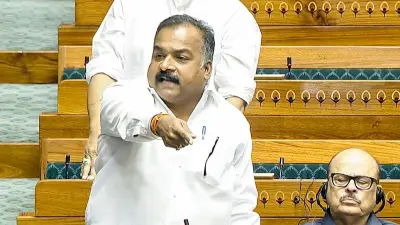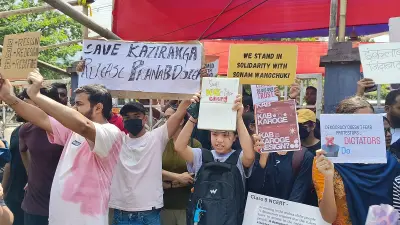


The Madhya Pradesh Legislative Assembly has passed the Madhya Pradesh Uniform Civil Code (UCC) Bill, 2026 by voice vote. The Bill was passed amid protests by opposition Congress MLAs in the House.
What the Madhya Pradesh UCC Bill Contains
The Bill was introduced on the opening day of the Monsoon Session. It seeks to regulate matters relating to marriage, divorce, inheritance and live-in relationships. According to ThePrint, the legislation bans polygamy and mandates the registration of marriages, divorces and live-in relationships. The Bill also excludes tribal communities from its ambit.
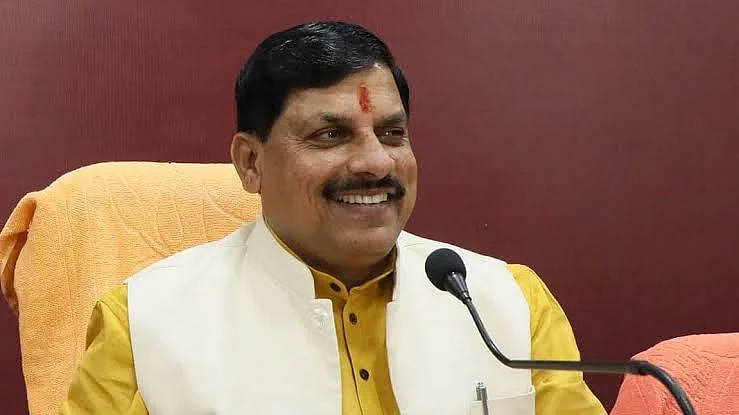
Chief Minister Mohan Yadav's Statement on UCC
Chief Minister Mohan Yadav said Madhya Pradesh would become the fourth state to implement a Uniform Civil Code after Goa, Assam and Uttarakhand. Addressing the House, Yadav stated that the legislation would prohibit practices such as triple talaq and halala. He also said the Bill ensures equal inheritance rights for all children, including biological and adopted children.
"The legislation would prohibit practices such as triple talaq and halala, ensure equal inheritance rights for all children, including biological and adopted." — Deccan Herald
Opposition Congress Protests During UCC Bill Passage
The Bill was passed by voice vote amid protests by Congress MLAs. The opposition had raised objections to the Bill during its introduction and passage. According to Deccan Herald, the Congress MLAs protested as the Bill was being passed in the Assembly.
Key Provisions of the Madhya Pradesh UCC Bill
- Regulates marriage, divorce, inheritance and live-in relationships
- Bans polygamy, triple talaq and halala
- Mandates registration of marriages, divorces and live-in relationships
- Excludes tribal communities from the Bill's ambit
- Ensures equal inheritance rights for all children, including biological and adopted
Our Take: UCC Bill Passage Marks Major Policy Shift for Madhya Pradesh
The passage of the UCC Bill in Madhya Pradesh is a significant legislative move. In our view, the Bill addresses long-standing demands for uniform personal laws, particularly the ban on practices like triple talaq. However, the exclusion of tribal communities raises important questions about the scope of uniformity. The Congress protest shows the political divide on this issue. For citizens, this Bill will change how marriages, divorces and inheritances are legally handled. The real test will be in its implementation and how it balances uniformity with the rights of different communities.