

Summary
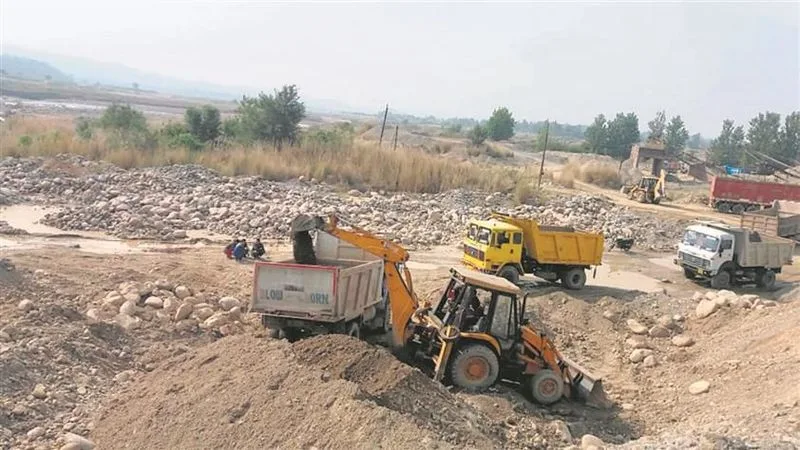
The police in Mandi, Himachal Pradesh, have significantly increased their efforts to stop illegal mining across the district. Since the beginning of 2026, authorities have been conducting a strict enforcement drive to catch individuals and vehicles involved in the unauthorized removal of sand and stones. This campaign aims to protect the local environment and ensure that natural resources are not stolen or misused. By issuing hundreds of fines and seizing heavy machinery, the police are sending a clear message that illegal extraction will not be tolerated.
Main Impact
The primary impact of this crackdown is the disruption of illegal trade networks that profit from the district's natural resources. By seizing over 500 vehicles and filing hundreds of legal cases, the Mandi police have made it much harder for illegal miners to operate. This action helps prevent the destruction of riverbeds, which is vital for maintaining the local ecosystem. Furthermore, stopping unauthorized digging helps protect public infrastructure, such as bridges and roads, which can become unstable when the ground around them is hollowed out by illegal mining.
Key Details
What Happened
Under the leadership of Superintendent of Police Vinod Kumar, the Mandi District Police launched a widespread campaign to monitor and stop illegal mining activities. Police teams have been patrolling riverbanks and rural roads to identify trucks and machinery operating without proper permits. The drive has been active throughout the first five months of 2026, with officers focusing on areas known for the illegal collection of sand and gravel. During these operations, the police not only issued fines but also confiscated large amounts of illegally mined materials that were ready to be sold.
Important Numbers and Facts
The scale of the police action is reflected in the official data released for the period between January 1 and May 21, 2026. During this time, the police issued a total of 475 challans (fines) related to illegal mining. Out of these, 103 challans were settled through fees, resulting in the recovery of approximately Rs 1,54,750. The remaining 372 challans were sent to the court for further legal action. Additionally, five formal criminal cases were registered against repeat offenders or those involved in serious violations.
The police also targeted the equipment used in these activities. The list of seized or fined vehicles includes:
- 102 tippers used for hauling heavy loads.
- 85 tractors commonly used in riverbeds.
- 305 other types of vehicles involved in transport.
- 2 JCB machines used for unauthorized digging.
- 13 additional heavy vehicles seized in separate raids.
April was the most active month for the police, with 192 challans issued and nearly Rs 47,000 collected in fees. The momentum has continued into May, with 97 challans already issued in the first three weeks of the month.
Background and Context
Illegal mining is a serious issue in hilly regions like Himachal Pradesh. It involves the removal of sand, rocks, and minerals from riverbeds and hillsides without government permission or environmental oversight. This activity is often driven by the high demand for construction materials. However, when mining is done without a plan, it causes the soil to wash away and changes the natural flow of rivers. This can lead to severe flooding during the monsoon season and can even cause the foundations of nearby buildings and bridges to weaken. The government has strict rules about where and how much material can be taken, but illegal operators often try to bypass these rules to avoid paying taxes and following safety guidelines.
Public or Industry Reaction
The local community has generally supported the police action, as many residents are concerned about the long-term damage to their land and water sources. Illegal mining often leads to heavy trucks damaging narrow village roads and creating excessive dust and noise. The Mandi police have actively called on the public to help them in this mission. They have asked citizens to report any suspicious digging or vehicle movements in their areas. By involving the community, the police hope to create a network of informants that makes it impossible for illegal miners to hide their activities in remote locations.
What This Means Going Forward
The Mandi police have stated that this enforcement drive is not a temporary measure. They plan to continue their strict monitoring and will likely increase patrols in sensitive areas. For the construction industry, this means that contractors must be more careful to ensure their materials are sourced from legal, licensed quarries. Those who continue to buy or transport illegal sand and stones face the risk of having their vehicles seized and facing long court battles. The police may also look into using more advanced surveillance methods to keep an eye on riverbeds that are difficult to reach by foot or car.
Final Take
Protecting the natural environment is a major priority for the authorities in Mandi. The recent surge in fines and vehicle seizures shows that the police are committed to stopping the theft of natural resources. While the demand for construction materials remains high, it cannot come at the cost of the region's safety and environmental health. Continued pressure from the police, combined with help from the public, is the most effective way to ensure that the district's rivers and hills remain protected for years to come.
Frequently Asked Questions
How many fines have been issued for illegal mining in Mandi so far in 2026?
As of May 21, 2026, the Mandi police have issued a total of 475 challans against individuals and vehicles involved in illegal mining activities.
What types of vehicles are being seized by the police?
The police have seized or fined a variety of vehicles, including tippers, tractors, JCB machines, and other heavy transport trucks used to move sand and stones.
Why is the government cracking down on illegal mining?
The crackdown is necessary to prevent environmental damage, stop the theft of natural resources, and protect public infrastructure like bridges and roads from being weakened by unauthorized digging.
