

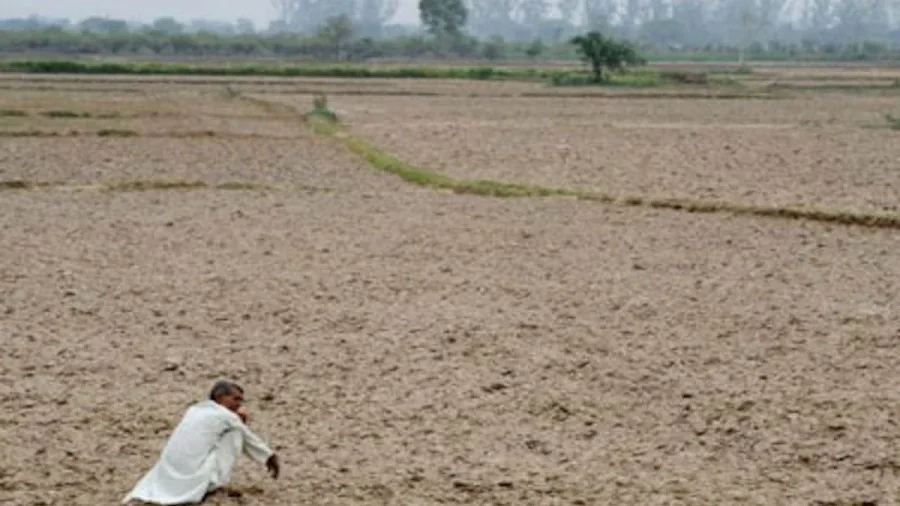

Maharashtra's Marathwada region is facing serious water stress. Rainfall has stayed well below normal, and reservoir storage has dropped sharply compared with last year. The administration has now stepped in to reserve water from low-storage irrigation projects exclusively for drinking purposes.
Marathwada rainfall deficit hits reservoir storage levels
The region's eight districts have received 388.3 mm of rainfall since June 1, against the normal 552.2 mm. That works out to a deficit of 29.7 per cent. The shortfall is hitting reservoir levels hard, forcing officials to change how they manage the available water.
The situation has become more urgent because September has been especially dry. Only 5.2 mm of rain has been recorded so far this month, compared with the normal 38.7 mm for the same period. This means the region is not getting the late-season rains it usually relies on to top up storage.
Latur and Parbhani among worst-hit districts
Some districts are suffering more than others. Latur and Parbhani are among the worst affected, having received only 57.3 per cent and 54.6 per cent of their normal rainfall, respectively, according to official data.
With such low rainfall, the administration has begun managing the crisis by prioritising drinking water. Water from low-storage irrigation projects is now being reserved exclusively for drinking purposes, which means farmers who depend on these reservoirs for irrigation will have to look for other options.
Our Take: Prioritising drinking water is the right call
To put it plainly, this is a sensible move by the administration. When reservoir storage falls sharply, drinking water must come first. People cannot survive without clean water, and no crop is worth more than a human life.
But this decision also exposes a deeper problem. The region relies heavily on monsoon rains, and when those fail, there is little backup. The sharp fall in reservoir storage compared with last year shows how quickly the situation can change.
What matters now is how the administration manages the remaining water. Strict rationing, transparent distribution, and quick action to plug wastage will be essential. Farmers will face hardship, but the priority must remain clear: drinking water for people comes before irrigation.
The coming weeks will be critical. If September rains do not improve, the region could face a tougher situation than last year. For now, the administration has made the right choice — reserve what little water is left for the most essential need.


