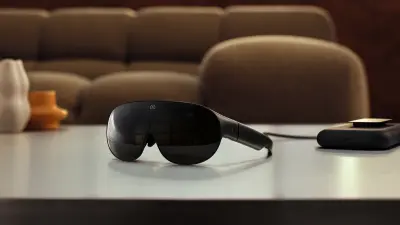

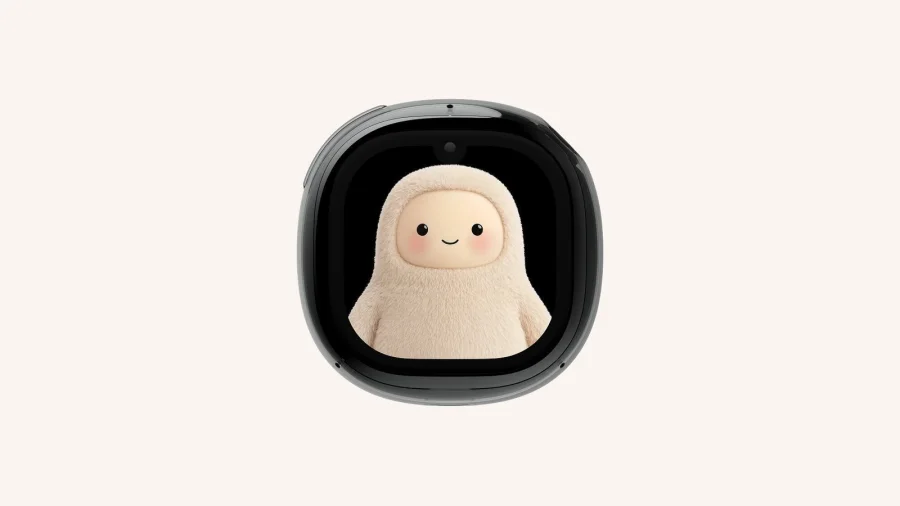

Meta has placed its Muse AI inside a Tamagotchi-like device called Charm. The product takes artificial intelligence out of the phone screen and puts it into a small, physical gadget that works like a virtual pet toy.
The core idea is simple. Instead of opening an app to talk to an AI, users carry a pocket-sized device that runs on Muse AI. The Tamagotchi comparison matters because those classic toys were built around caring for a digital creature. Charm follows that same playful, hands-on approach, but the brain inside it is Meta's Muse AI.
What Is Meta Charm and How Does Muse AI Fit In
Charm is a hardware device, not a software update. Meta has built it to look and feel like a Tamagotchi-style companion toy. The Muse AI is the engine that powers the experience.
This is a shift in how AI reaches people. Most AI products today live inside apps, browsers, or smart speakers. Charm puts the same kind of AI into a tiny object you can hold, carry, and interact with directly. The Tamagotchi-like design suggests Meta wants the device to feel friendly and personal rather than technical.
Why Meta Is Betting on a Toy-Like AI Device
There are a few clear reasons this move makes sense for Meta.
- Physical devices create constant, casual interaction that apps often do not
- A Tamagotchi-like format makes AI feel approachable instead of intimidating
- Muse AI gets a new home outside of standard screens and apps
- Small companion gadgets can build emotional attachment in ways software cannot
The Tamagotchi angle is not just about nostalgia. Those toys worked because people formed a bond with them. If Meta can recreate that bond with an AI-powered device, it gives users a reason to keep the gadget close and use it often.
Our Take: A Small Device With a Big Question
In our view, Meta Charm is an interesting bet. Putting Muse AI into a Tamagotchi-like device is a smart way to make AI feel less like a tool and more like a companion. It also gives Meta a physical product in a market that is still mostly software.
But the real test is whether people actually want another device to carry. A Tamagotchi worked because it was simple and cheap. If Charm feels like a novelty that runs out of things to do, users will leave it in a drawer. If Muse AI makes the device feel alive and useful over time, Meta could have something different from every other AI product out there.
To put it plainly, the idea is bold. The execution will decide everything. Readers should watch how Meta positions Charm — as a toy, as an AI companion, or as both. That choice will shape whether this device becomes a daily habit or a short-lived experiment.