
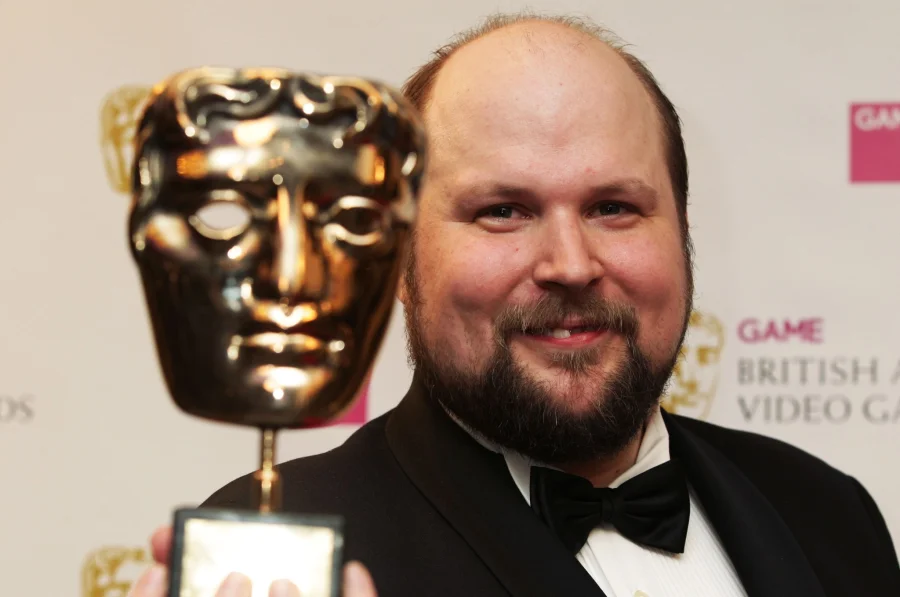

Markus "Notch" Persson, the Swedish programmer who created Minecraft, is selling his Beverly Hills compound for $70 million. That is exactly what he paid for it in 2014. The listing comes as California votes on a billionaire tax, a timing that is drawing attention.
Persson sold his Lego-like sandbox game to Microsoft for $2.5 billion. He bought the roughly 22,300-square-foot property in Trousdale Estates back in 2014, reportedly beating Beyoncé and Jay-Z to the home.
Minecraft Creator Lists Trousdale Estates Compound at $70 Million
The Wall Street Journal first reported the listing. The property spans about 22,300 square feet in Trousdale Estates, one of Beverly Hills' most exclusive neighborhoods.
If the home sells at its asking price, it would be the priciest home sale in Beverly Hills this year. It would also be the second most expensive in Los Angeles County, behind only the $130 million Casa Encantada estate that Peter Thiel bought at a foreclosure auction in September, according to The Real Deal, citing the Los Angeles Times.
The listing is handled by Aaron Kirman and Katia De Los Reyes of Christie's International.
Why the Timing of the Beverly Hills Mansion Sale Matters
Persson is asking the same $70 million he paid over a decade ago. That means no paper profit on the sale price itself. For a billionaire seller, that is an unusual move—most trophy home owners list above their purchase price.
The sale is also happening while California votes on a billionaire tax. The original story notes that the timing "is raising eyebrows." The article does not specify further details about the tax measure or how it would affect Persson's sale.
What is clear is the sequence: a billionaire is cashing out of a high-end California property at the same moment voters are deciding whether to tax billionaires in the state.
Our Take: A Billionaire Exit Worth Watching
To put it plainly, the headline writes itself. A billionaire who once outbid Beyoncé and Jay-Z for a Beverly Hills mansion is now trying to sell it—at cost—while California votes on a billionaire tax. In our view, readers should pay attention to two things.
First, listing at the same price he paid in 2014 suggests Persson wants a quick, clean exit rather than a profit-maximizing sale. Second, the timing is hard to ignore. Whether or not the tax measure passes, the message is clear: wealthy sellers are watching California's tax policy closely.
This is not just a real estate story. It is a signal about how the very rich respond when a state talks about taxing them. If the sale closes at $70 million, it will still be one of the biggest deals in Los Angeles County this year. But the bigger story may be what it says about billionaire confidence in California.
For ordinary readers, the takeaway is simple: when billionaires start selling at break-even prices right before a tax vote, it is worth asking why.