

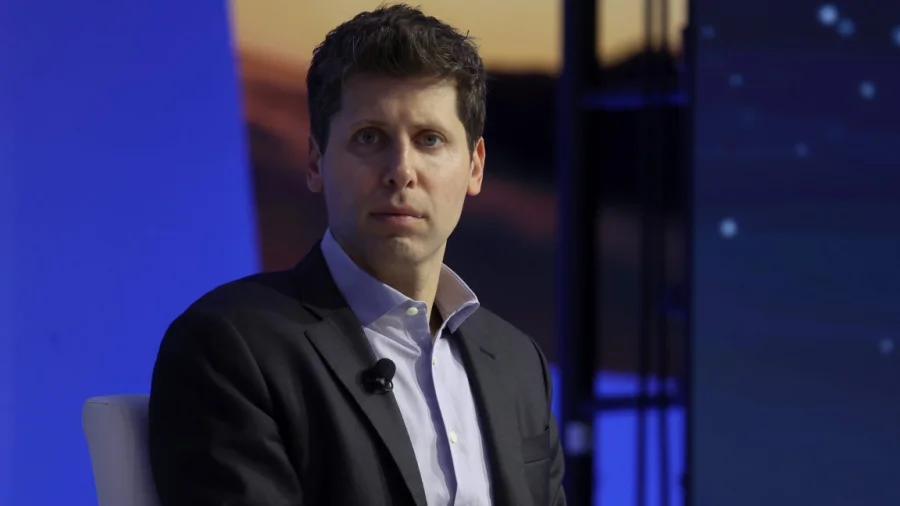

OpenAI will not go public until it can "make confident safety decisions," according to chief executive Sam Altman. The company is delaying its IPO even as it faces a new lawsuit over its tools hacking a third party.
Altman said it was "bad for the world if OpenAI waits too long to go public." But he made clear the $852 billion start-up would not "barrel all guns blazing towards an IPO" at a time when AI was rapidly advancing in capabilities.
Why OpenAI Is Delaying Its IPO
Altman framed the delay as a choice about priorities, not a lack of readiness. He said the company wants to scale to the next stage of AI without a public debate about the risks involved.
"We're going to prioritize the mission and safety and making sure that we can very confidently scale to the next stage of AI without people debating what percentage chance we're going to do all these bad things in the world." — Sam Altman
He told reporters at the company's annual developer day that OpenAI would not rush toward a stock market listing while AI capabilities keep moving fast.
A New Lawsuit Adds Pressure
The IPO delay comes as OpenAI faces a new lawsuit over its tools hacking a third party. The legal challenge adds to the questions the company is already answering about how its technology behaves in the real world.
Together, the two developments — the paused IPO and the lawsuit — put safety and accountability at the center of OpenAI's public story.
Our Take: Safety First Is the Right Call, But the Clock Is Ticking
In our view, Altman's decision to hold off on an IPO is the right one for now. A company building powerful AI should not list on the stock market while it is still figuring out how to keep that technology safe. Once a company goes public, it owes its shareholders growth — and that pressure can push safety aside.
But Altman's own words cut both ways. He admits it is "bad for the world if OpenAI waits too long." That is a real tension. Delay too long, and the company may lose the funding and talent it needs to compete. Move too fast, and safety takes a back seat.
To put it plainly, the lawsuit makes this more than a philosophical debate. If OpenAI's tools are being used to hack third parties, the public has a right to ask hard questions before the company asks them to buy shares. For readers, the message is simple: watch what OpenAI does, not just what it says. A delayed IPO is a promise. The lawsuit is a test of whether that promise holds.