

Summary
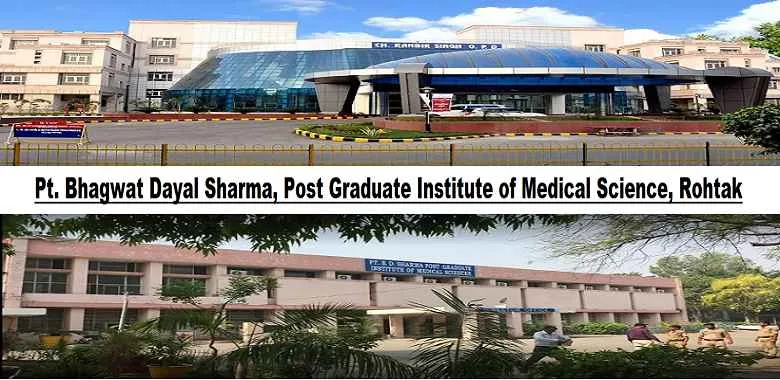
The Pt BD Sharma Post Graduate Institute of Medical Sciences (PGIMS) in Rohtak has announced a strict new policy for missing patient records. From now on, hospital staff must file a First Information Report (FIR) with the police if they lose a death file or a medical-legal case (MLC) file. This decision comes after dozens of important patient files were not returned to the record department for more than a year. The new rules aim to improve how the hospital handles sensitive documents and to prevent legal problems in the future.
Main Impact
This new rule changes how hospital staff handle patient information. By making a police report mandatory, the hospital is making its employees more responsible for the documents they use. This move is expected to reduce the number of lost files and ensure that the hospital has the records it needs if a family goes to court or if the police need evidence. It also helps the hospital keep its records organized, which is vital for a large medical center that handles thousands of patients.
Key Details
What Happened
The Medical Superintendent of PGIMS, Kundan Mittal, issued a formal order to address a growing problem with missing paperwork. For a long time, many files for patients who died at the hospital were not being sent to the Medical Record Department (MRD). Some of these files had been missing for over twelve months. To fix this, the hospital now requires a copy of a police report and proof that the police were informed whenever a file goes missing. This information must be sent through the official channels to the record department.
Important Numbers and Facts
The hospital authorities were worried because dozens of patient files were stuck in different departments instead of being stored safely. To solve the problem of missing data, the hospital has also set up a way to create "duplicate files." These backup files must be made using information from ward registers, emergency logs, or trauma records kept by nursing staff. Every duplicate file must be signed by the head of the department and other senior doctors to make sure the information is correct. For records from the year 2023, specific staff members at the emergency reception will handle the paperwork for these duplicate files.
Background and Context
Medical records are very important in a hospital. A death file contains all the details about how a person was treated and why they passed away. A medical-legal case (MLC) file is even more sensitive because it involves cases where the police or courts might be involved, such as accidents or crimes. If these files are lost, the hospital cannot prove what happened during treatment. This can lead to serious legal trouble and complaints from the public. Earlier reports had already pointed out that PGIMS was struggling to keep track of these files, which led to this new, stricter policy.
Public or Industry Reaction
The Medical Record Department has been working hard to get these files back. They have written to the heads of all hospital departments, asking them to tell their postgraduate students to return any files they still have. These students often need a "no-dues" certificate before they finish their studies, and the hospital is using this as a way to make sure all files are returned. Hospital leaders believe that these new steps will stop future mistakes and make sure everyone follows the rules for keeping medical records safe.
What This Means Going Forward
In the future, doctors and students at PGIMS Rohtak will have to be much more careful with patient paperwork. If a file is lost, the person responsible will have to deal with the police, which is a serious matter. The hospital will also have a better system for creating backup records if the original ones are truly gone. This will include writing down the patient's diagnosis and treatment history from the registers kept in the wards. These steps will help the hospital stay prepared for any legal questions and ensure that patient history is never fully lost.
Final Take
Keeping accurate medical records is a basic part of running a good hospital. By bringing in the police to help track lost files, PGIMS Rohtak is showing that it takes patient data and legal responsibility very seriously. This new system should help the hospital run more smoothly and provide better protection for both the doctors and the patients' families.
Frequently Asked Questions
Why is an FIR now required for lost files?
An FIR is required to ensure accountability and to have a legal record that a sensitive document is missing. This helps prevent staff from being careless with important patient files.
What happens if a patient file cannot be found?
If a file is lost, the hospital must create a duplicate file. This is done by collecting information from nursing registers and emergency records, and it must be signed by senior department heads.
Who is responsible for returning the files to the record department?
The doctors and postgraduate students in each department are responsible for returning patient files. They must clear all their pending files to receive their "no-dues" certificates.
