

Summary
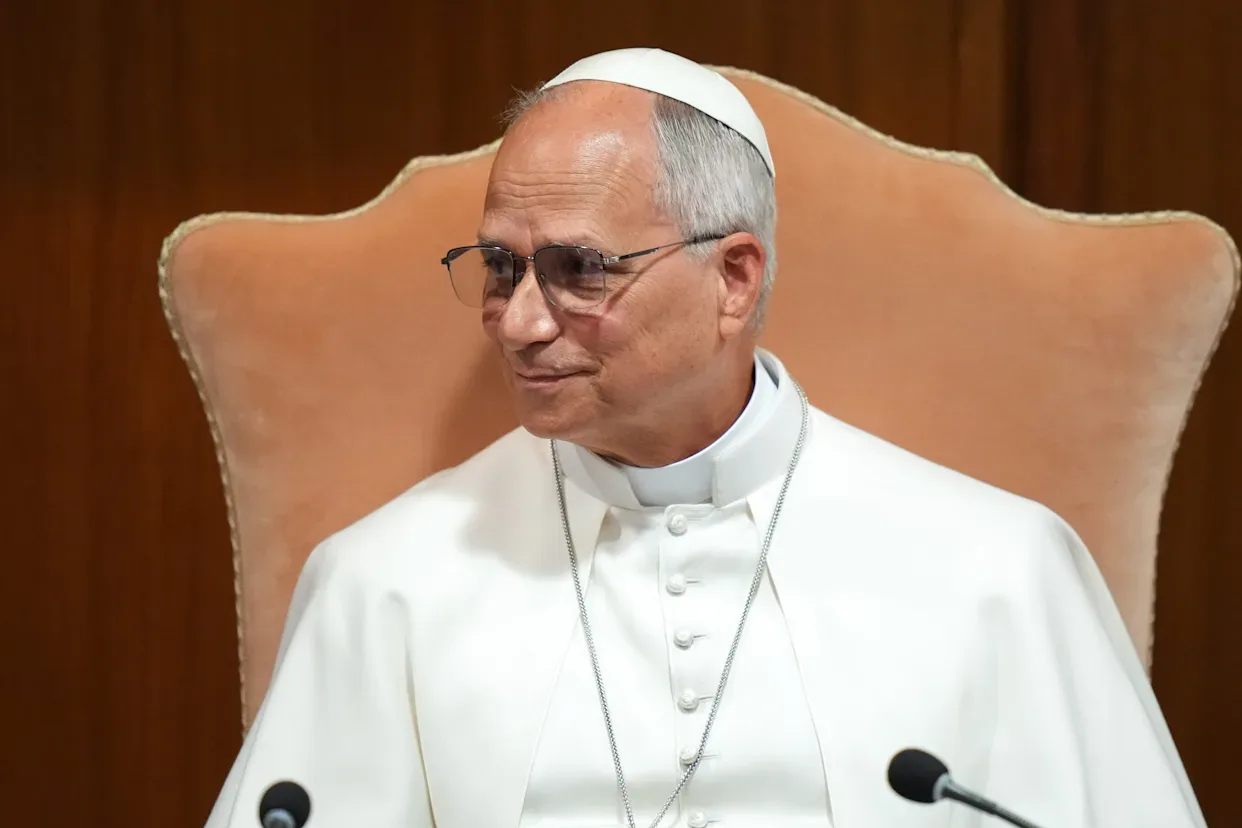
Pope Leo XIV has released his first major teaching document, known as an encyclical. While the document talks a lot about artificial intelligence (AI), its main goal is to address deeper social issues. The Pope uses the rise of new technology to point out problems with how power is held by a small group of people. He warns that the current tech world is hurting democracy and giving too much control to a few wealthy leaders. This letter serves as a moral guide for how the world should handle the fast-paced changes in the digital age.
Main Impact
The most significant impact of this document is how it changes the conversation about technology. Usually, when people talk about AI, they focus on whether it is safe or if it will take away jobs. Pope Leo XIV moves the focus toward fairness and justice. He argues that the real danger is not the machines themselves, but the people who own them. By concentrating so much power in the hands of a few companies, the world risks losing its ability to make democratic choices. This encyclical calls for a global shift in how we govern technology, making sure it serves the common good rather than just increasing the profits of a small elite.
Key Details
What Happened
Pope Leo XIV issued a formal letter to the world’s bishops and all people of goodwill. In the Catholic Church, an encyclical is one of the most important documents a Pope can write. It sets the direction for the Church's social and moral teachings. In this specific letter, the Pope looks at how AI is being used to shape human behavior and influence politics. He suggests that the current path of technology is creating a world where the rich get more power while the voices of ordinary people are silenced.
Important Numbers and Facts
The document points to the fact that a tiny number of tech companies now have more money and influence than many entire countries. It mentions that these companies control the data of billions of people. The Pope highlights that when algorithms decide what news people see or who gets a loan, they are making life-changing decisions without any public oversight. He emphasizes that technology must be guided by ethics, not just by the desire to make money. The letter calls for new international rules that treat digital tools as a shared resource for all of humanity.
Background and Context
Popes have a long history of speaking out about the big changes in society. Over a hundred years ago, the Church wrote about the rights of workers during the time of factories and steam engines. More recently, the Church has focused on the environment and the protection of the planet. Pope Leo XIV is following this tradition by looking at the digital revolution. He sees AI as the biggest change of our time. He believes that if we do not set clear rules now, the technology will be used to control people instead of helping them. The Pope is worried that we are moving toward a future where a few "tech giants" decide the rules for everyone else.
Public or Industry Reaction
The reaction to the Pope’s message has been strong across different groups. Human rights advocates and social workers have welcomed the letter. They believe it gives them more support to fight for privacy and fairness. Some political leaders have also praised the Pope for highlighting how tech can harm democracy. However, some people in the tech industry have a different view. They argue that AI is a tool for progress that can help solve big problems like disease and poverty. While they agree that ethics are important, they worry that too many rules might slow down helpful inventions. Despite these different views, most people agree that the Pope has started a very important conversation about the future of society.
What This Means Going Forward
In the future, this document will likely influence how Catholic organizations and schools talk about technology. It may also encourage lawmakers in different countries to be more aggressive in creating rules for AI. The Pope’s message is a call to action for governments to work together. He wants to see a world where technology is used to close the gap between the rich and the poor. We can expect to see more debates about "algorithmic fairness" and "digital rights" in the coming years. The goal will be to ensure that the people who build AI are held accountable for how their creations affect the world.
Final Take
Pope Leo XIV has shown that the Church is not afraid to tackle modern problems. By looking past the technical side of AI, he has identified a major threat to human freedom: the concentration of power. This encyclical reminds us that technology should always be a tool that helps people live better lives. It should not be a way for a small group of people to control the rest of the world. The message is clear: we must put people before profits and ensure that our digital future is built on a foundation of justice and democracy.
Frequently Asked Questions
What is an encyclical?
An encyclical is a high-level letter written by the Pope. it is used to teach the members of the Catholic Church and the wider world about important social, moral, or religious issues.
Is the Pope against the use of AI?
No, the Pope is not against AI itself. He is concerned about how it is managed. He wants to make sure that technology is used fairly and does not give too much power to a small group of wealthy people.
Why is the Pope talking about democracy?
The Pope believes that when a few tech companies control the flow of information and data, they can influence how people think and vote. He sees this as a threat to the ability of people to govern themselves freely.
