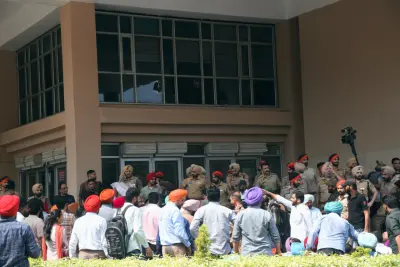

The signs of discontent within the Punjab Congress have come into the open. Supporters of former Chief Minister Charanjit Singh Channi began gathering at his residence in Chamkaur Sahib since morning, expressing resentment over the party high command's recent organisational appointments ahead of the Assembly elections.
According to The Tribune, the gathering is being viewed by political observers as the first open display of dissatisfaction following the Congress leadership's decision to retain Amrinder Singh Raja Warring as president of the Punjab Pradesh Congress Committee (PPCC).
Why Channi supporters are unhappy with the Congress reshuffle
Several party workers and leaders who assembled at Channi's residence said they had expected the former Chief Minister to be given a more prominent role in the party's state leadership. The decision to keep Warring as PPCC chief has not gone down well with Channi's loyalists, who believe their leader was sidelined in the organisational reshuffle.
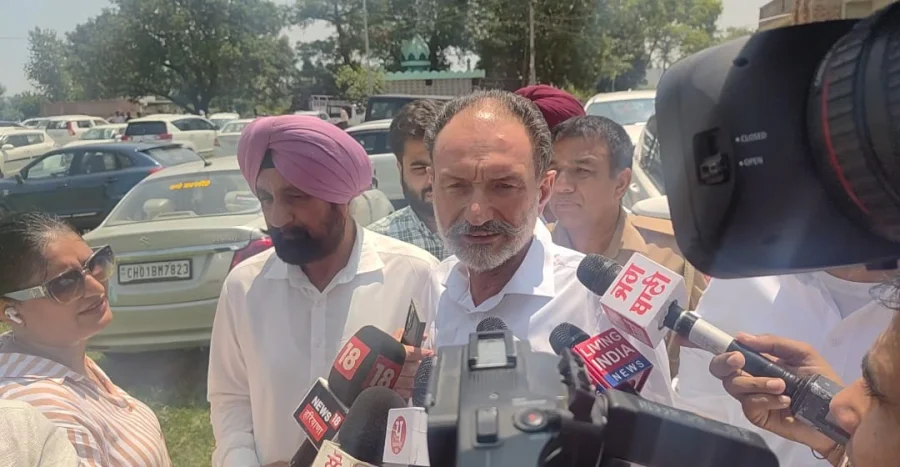
Madan Lal Jalalpur was seen addressing the media outside the residence of Charanjit Singh Channi in Morinda, voicing the concerns of the gathered supporters.
What this means for Punjab Congress ahead of elections
The open display of dissent is significant because it comes at a time when the party is preparing for Assembly elections in Punjab. Internal factionalism has historically hurt the Congress in the state, and this latest development signals that the rift between the Channi and Warring camps is far from resolved.
Political observers cited by The Tribune note that the gathering outside Channi's home marks a rare moment where internal party discontent has moved from behind closed doors into public view.
Our Take: Internal unity remains Punjab Congress's biggest challenge
The gathering of Channi supporters is a clear warning sign for the Congress high command. In our view, the party cannot afford to ignore these internal divisions, especially with elections around the corner. Retaining Warring as PPCC chief may have been a strategic decision, but the leadership must find a way to keep Channi and his supporters on board. If left unaddressed, this public dissent could turn into a deeper fracture that benefits rival parties in Punjab.
The Congress needs to act fast — not just with statements, but with concrete steps that show all factions are being heard. Otherwise, the party may end up fighting itself more than its opponents.