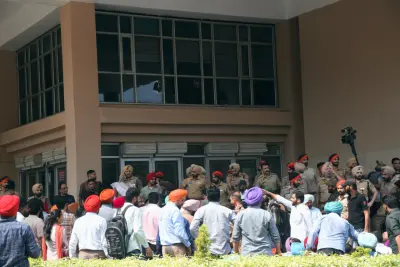


Senior Punjab Congress leaders have come together to strongly oppose the continuation of Amarinder Raja Warring as the Punjab Pradesh Congress Committee (PPCC) chief. The move comes just hours before All India Congress Committee (AICC) general secretary in charge of Punjab, Bhupesh Baghel, is set to arrive in Chandigarh.
Mohali Meeting and Social Media Signal
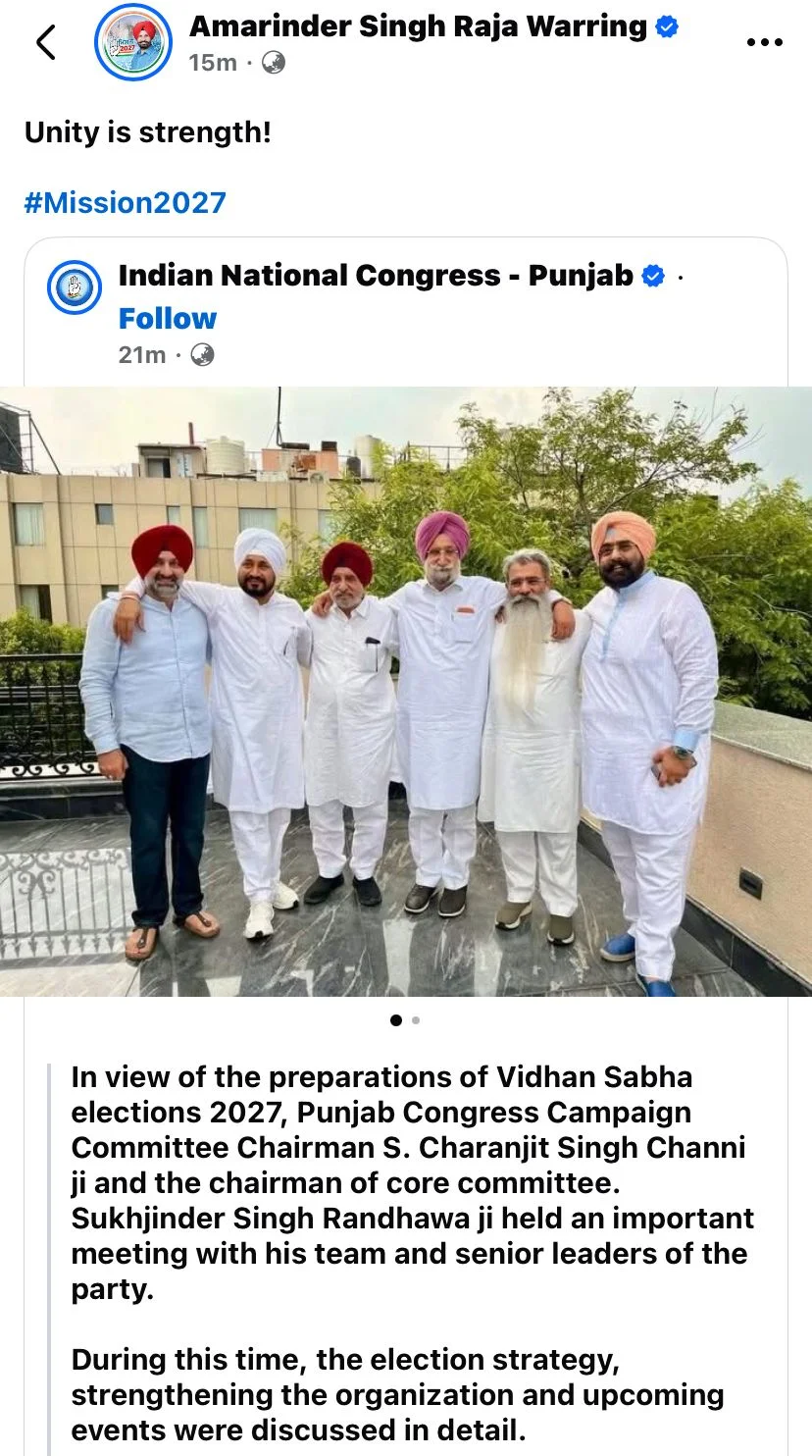
According to The Tribune, the leaders held a meeting in Mohali where they decided to openly oppose Warring. Soon after the meeting, they shared a group photograph on their social media handles, signaling their united front against the state party chief.
The development was also reported by Hindustan Times, which noted that the rift within the Punjab Congress has deepened as rebels joined forces to oust Warring ahead of Baghel's visit.
Dissidents Await High Command's Response
The dissident leaders are in no mood to back down and are waiting for the party high command's response. The timing of the opposition is significant as it comes right before Bhupesh Baghel's arrival in Chandigarh, suggesting the leaders want to press their demand directly to the AICC leadership.
Senior Punjab Congress leaders have come together against PPCC chief Amrinder Raja Warring ahead of Bhupesh Baghel's visit, according to a post on Facebook by PTC News.
Open Questions About Leadership
Punjab Congress leader Darshan Singh Brar has openly questioned the leadership of state Congress chief Amarinder Singh Raja Warring, as reported on Facebook. This adds to the growing chorus of dissent within the party's state unit.
Our Take: A Familiar Pattern of Internal Strife
This is not the first time Punjab Congress has seen internal rebellion against its state leadership. The fact that leaders are closing ranks and openly sharing photographs on social media shows they are no longer willing to keep their grievances behind closed doors. By timing their opposition right before Bhupesh Baghel's visit, they are sending a clear message to the high command: they want action, not just talks.
In our view, this public display of unity among dissidents puts the AICC in a difficult position. If they ignore the demand, the rebellion could grow louder. If they replace Warring, it may set a precedent that internal pressure can force leadership changes. Either way, the Punjab Congress remains deeply divided, and that does not bode well for the party's prospects in the state.