
Summary
The Punjab government has taken a major step to help thousands of workers across the state. On Saturday, the Cabinet decided to provide regular jobs to 65,048 outsourced employees working in 51 different departments. This decision aims to remove private contractors from the hiring process and bring these workers directly under government control. By doing this, the state hopes to provide better job security and fair pay to those who have been working through private agencies for years.
Main Impact
The biggest impact of this decision is the end of the "middleman" system in government hiring. For a long time, private contractors hired people to work in government offices. These contractors often took a portion of the workers' wages as a fee. Now, the government will hire these people directly. This change will stop the exploitation of workers and ensure they get their full salaries. It also gives these employees a clear path to becoming permanent government staff, which provides long-term financial safety for their families.
Key Details
What Happened
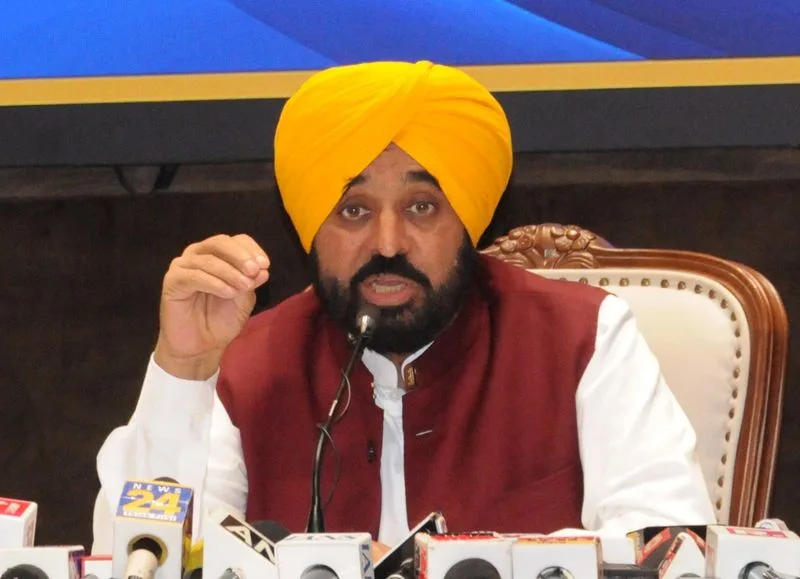
Chief Minister Bhagwant Mann announced that the government will first move outsourced workers to a direct contract for 10 years. After completing this period, they will be eligible to fill regular, permanent positions in the government. To make this legal, the state will introduce two new laws: the Punjab State Outsourced Personnel (Transition to Contractual Engagement) Bill, 2026, and the Punjab Contractual Personnel (Absorption Against Sanctioned Vacancies) Bill, 2026. These bills will be presented during the upcoming monsoon session of the state assembly.
Important Numbers and Facts
The plan will help 65,048 people in total. The first group to benefit will include more than 26,000 workers. The government plans to start the process within 45 days. There are specific rules for who can apply based on their years of service. For most jobs, a worker must have five years of experience. However, for high-risk jobs like firefighting or cleaning sewers, only three years of service are required.
The workers come from many different areas of the government. Here is a breakdown of some of the largest groups:
- Power Sector: 15,753 workers, including meter readers and repair staff.
- Local Government: 8,438 employees.
- Cooperative Institutions: 8,373 workers.
- School Education: 7,704 workers.
- Transport Department: 4,746 workers.
- Health and Family Welfare: 2,688 employees.
- Fire Services: 1,472 personnel.
Other departments involved include Water Supply, Agriculture, Jails, and Technical Education. Each of these departments has hundreds or thousands of workers who will now have more stable jobs.
Background and Context
In many parts of India, governments use private companies to find workers for basic tasks. These are called "outsourced" jobs. While this is easy for the government, it is often hard for the workers. Many employees have complained that contractors do not pay them on time or take a cut of their money. These workers often lacked basic rights like sick leave, medical benefits, or a pension. By bringing these 65,048 workers under the government umbrella, Punjab is trying to fix a system that many felt was unfair. This move focuses on Group C and Group D employees, who are often the lowest-paid workers in the system.
Public or Industry Reaction
The reaction from worker unions has been very positive. For years, these groups have held protests asking for job security. They argued that working for a private contractor made them feel like they could lose their jobs at any moment. Now, with the government promising direct contracts, many feel a sense of relief. The Chief Minister also promised that wages would be sent directly to bank accounts. This means no more hidden fees or delays caused by private agencies. Workers will also get 10 days of casual leave every year and maternity benefits, which they did not have before.
What This Means Going Forward
In the future, the Punjab government will not use private contractors to hire for these types of roles. Instead, all new hiring will be done through direct government processes. This ensures that the state has better control over who is working and how they are treated. The government has also set a rule that no worker can be fired without a very good reason. If a supervisor wants to remove someone, they must write down the reason and give the worker a chance to explain their side. This adds a layer of protection that was missing in the old system.
Final Take
This decision is a significant win for labor rights in Punjab. By removing private contractors and offering a path to permanent employment, the state is prioritizing the well-being of its workforce. While the 10-year contract period is a long wait for full regularization, the immediate benefits of direct pay and job security will make a huge difference in the lives of over 65,000 families. It sets a strong example of how a government can step in to stop the unfair treatment of workers.
Frequently Asked Questions
Who is eligible for these regular jobs?
Workers in high-risk jobs like fire services need three years of experience. Most other workers in the 51 departments need five years of service to be eligible for the new contract system.
When will the new rules start?
The government plans to begin the implementation process within 45 days of the Cabinet's approval. The necessary laws will be introduced during the monsoon session of the state assembly.
What benefits will the workers get immediately?
Workers will receive their full wages directly in their bank accounts without any contractor deductions. They will also get 10 days of casual leave per year and maternity benefits for female employees.