
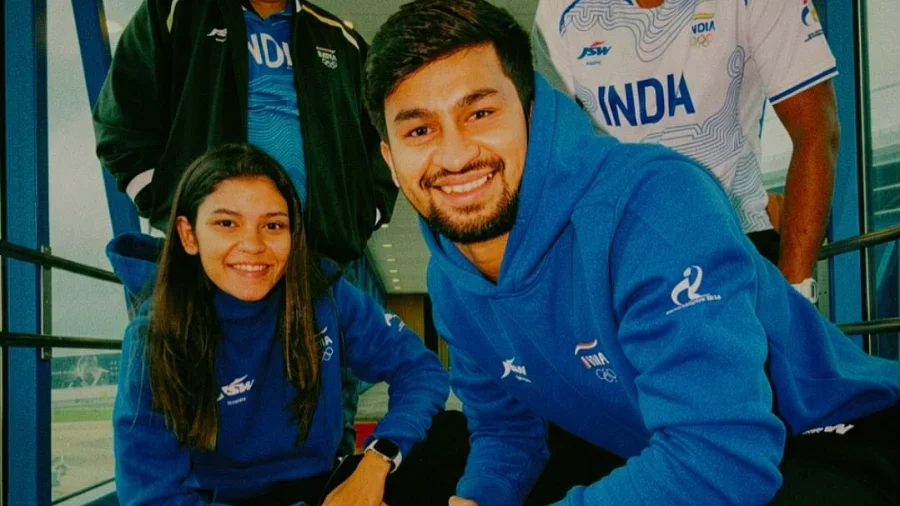

Quimcy Joaquim Dsouza has moved to within one win of a historic Asian Games medal in teqball. She stormed into the women's singles semifinals in Nagoya, Japan, on Friday, 18 September, on her debut at the Games.
Teqball is a fast-paced sport that combines elements of football and table tennis. Players use a curved table to control and return the ball, and the sport is making its Asian Games debut.
Quimcy Dsouza's Run to the Teqball Semifinals
Dsouza's path to the semifinals included two strong group stage wins. She beat Japan's top seed Yuina Sakamoto and Cambodia's Koemyean DY to reach the last four.
That run has put her in a position no Indian teqball player has reached before at the Asian Games. She is now one win away from India's first-ever teqball medal.
Why Even a Semifinal Loss Keeps India's Medal Hopes Alive
The format of the competition gives Dsouza a safety net. Even if she loses her semifinal, she would still have a chance to compete for bronze.
India also remains in the hunt in another event. Dsouza and Mohammed Anas Imran Beg are still in mixed doubles medal contention through the repechage.
- Dsouza reached the women's singles semifinals on her Asian Games debut.
- She beat Japan's top seed Yuina Sakamoto and Cambodia's Koemyean DY in the group stage.
- One more win would give India its first-ever teqball medal.
- A semifinal defeat would still leave her with a chance to play for bronze.
- Dsouza and Mohammed Anas Imran Beg remain in mixed doubles medal contention through the repechage.
Our Take: A Debut to Remember for Indian Teqball
To put it plainly, this is a big moment for teqball in India. The sport is new to the Asian Games, and an Indian player is already knocking on the door of a medal. That says a lot about Dsouza's preparation and composure.
In our view, the most impressive part is who she beat. Getting past Japan's top seed in the group stage is not a small result, especially on debut. It shows she can handle pressure against strong opponents.
The mixed doubles repechage route also matters. It means India's medal chances in teqball do not rest on one match alone. For readers, the takeaway is simple: Indian teqball is no longer just making up the numbers. It is competing, and a historic medal is now within reach.