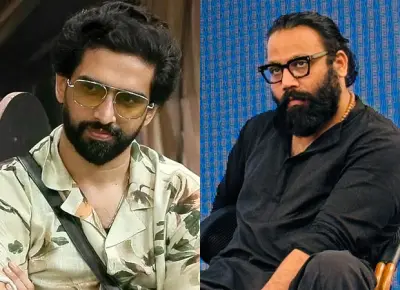



Fifteen years after Ra.One hit the screens, director Anubhav Sinha is looking back at the film that pushed the boundaries of Indian VFX. His reflection comes with a blunt line: 2011 wasn't ready for it. The film, produced by Gauri Khan under Red Chillies Entertainment, starred Shah Rukh Khan, Kareena Kapoor Khan and Arjun Rampal, and it released worldwide on October 26, 2011, during Diwali.
Ra.One and the VFX Push That Indian Cinema Had Not Seen
Ra.One was a sci-fi film that mixed superhero storytelling with visual effects and action sequences. For Indian cinema at the time, that scale was ambitious. The film did not just add effects as decoration — it built its whole world around them, which is why it is still discussed for its technological ambition.
Sinha's look back frames the film as one that moved Indian VFX forward, even if the audience and the industry of that era were not fully prepared for what it offered. The headline of his reflection says it plainly: 2011 wasn't ready for it.
Box Office Records and Award Recognition for Ra.One
The film set box office opening records when it released and went on to earn over Rs 200 crores worldwide. It also earned recognition for its technical work, winning honours at major award ceremonies, including the National Film Awards and the Filmfare Awards.
- Released worldwide on October 26, 2011, during Diwali
- Set box office opening records on release
- Earned over Rs 200 crores worldwide
- Won honours at the National Film Awards and the Filmfare Awards
Why Ra.One Still Gets Discussed 15 Years Later
Fifteen years on, Ra.One continues to be talked about for its scale and technological ambition. The film tried to bring a high-tech superhero universe to Indian screens, and that attempt is what keeps it in the conversation. Sinha's retrospective adds to that discussion by placing the film's VFX work at the centre of its legacy.
Our Take: Ra.One Was Ahead of Its Time, and Sinha Knows It
In our view, Sinha's comment that 2011 wasn't ready for Ra.One is the most honest thing said about the film in years. Ra.One spent big on visual effects at a time when Indian audiences and the industry were still getting used to that kind of filmmaking. It took the risk first, and the records and awards show it was not a wasted effort.
To put it plainly, Ra.One did not just chase spectacle — it built the technical ground that later Indian films could stand on. Fifteen years later, that is the part worth remembering.