

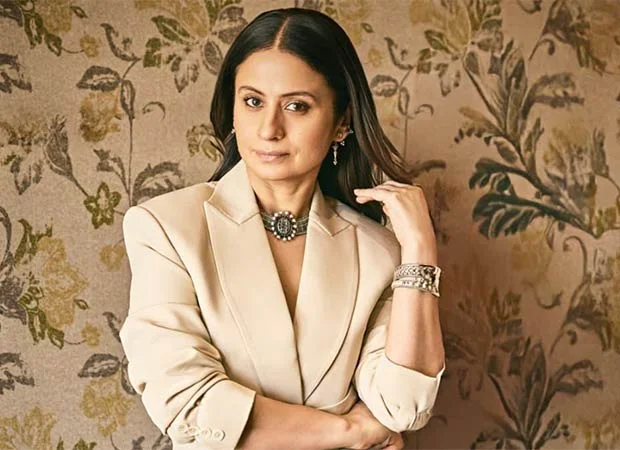

Rasika Dugal has built a career playing women who refuse to fit the usual mould of a film heroine. From Beena Tripathi in Mirzapur to Neeti Singh in Delhi Crime, her characters embrace contradictions instead of perfection. Now she has explained the thinking behind those choices — and it comes down to one idea: being interesting matters more than being likeable.
Why Rasika Dugal chooses morally ambiguous female characters
Speaking about her approach to selecting roles, Rasika Dugal said she has never gone looking for morally ambiguous characters on purpose. Instead, she searches for characters that reflect the complexity of real people.
"I've never consciously gone looking for characters who are morally ambiguous. I've always searched for are characters that reflect the complexity of real people," she said, according to the Times of India.
She added that human beings are contradictory, inconsistent and constantly evolving. That is what fascinates her as an actor. "If I can understand why a character makes a certain choice even if I personally disagree with it," she explained, that understanding is what drives her work.
Rasika Dugal's filmography of complex women
Dugal's career shows a clear pattern. She has consistently chosen women who do not fit neatly into conventional definitions of a "heroine," as noted by Adgully.
Her notable roles include:
- Beena Tripathi in Mirzapur
- Neeti Singh in Delhi Crime
- Safia in Manto
- Savita in Hamid
- Dolly in Out of Love
- Mallika in Lord Curzon Ki Haveli
These characters span different genres and settings, but they share a common thread — they are layered, imperfect and real.
Audiences want real women, not idealised ones
Dugal's approach appears to match what audiences now expect. The Times of India reports that audiences no longer want idealised women — they want real women. This shift in viewer expectations aligns with the kind of characters Dugal has been playing for years.
Her filmography, built around women who resist conventional definitions, now looks ahead of its time. The characters she chose when they may have seemed risky now feel like the norm audiences are asking for.
Our Take: Why 'interesting over likeable' is the right call
In our view, Dugal's statement is a refreshing break from how female characters are often written. For too long, women on screen were expected to be perfect — always right, always noble, always easy to root for. That made them predictable and, frankly, boring.
Dugal's point is simple but powerful. Real people are messy. They make choices we do not agree with. They change their minds. By choosing characters who reflect that messiness, she is not just playing more interesting roles — she is pushing the industry to write women as full human beings.
The fact that audiences now want "real women" instead of "idealised women" suggests her instinct was right. Being likeable is safe. Being interesting is memorable. And in a career built on memorable characters, Dugal has proven which one matters more.