
Summary
A long-running mystery regarding a missing woman from Uttarakhand has finally been solved through DNA testing. Riya Kashyap, a 22-year-old resident of Dehradun, went missing in late 2025 after being harassed by a local man. Police have now confirmed that skeletal remains found in a neighboring state belong to her. This discovery allows the police to move forward with murder charges against three individuals who were allegedly involved in her death.
Main Impact
The confirmation of the victim's identity is a major turning point for this criminal case. For months, the investigation was stuck because the body found by the police was too badly decomposed to be identified by sight. By using DNA matching, the authorities have created an unbreakable link between the crime and the victim. This scientific evidence makes it much harder for the suspects to deny their involvement during the upcoming trial. It also provides the grieving family with the official answers they have been seeking for over half a year.
Key Details
What Happened
The case began in September 2025 when Riya Kashyap suddenly disappeared from her home in the Vikasnagar area of Dehradun. Her father told the police that a man named Shahbaz had been bothering her for some time. Following a deep investigation into phone records and security camera footage, the police caught Shahbaz. He eventually told the police that he had tricked Riya into meeting him. When she refused his advances, he and two others allegedly killed her and threw her body into a large water canal.
Important Numbers and Facts
The timeline of the case shows how long the search lasted. Riya was reported missing on September 7, 2025. About five weeks later, on October 16, a partial body was found at the Hathnikund Barrage in Uttar Pradesh. Because the body had been in the water for so long, it was impossible to tell who it was at first. It took until May 12, 2026, for the forensic lab to finish the DNA tests. The police have arrested two men, Shahbaz and his friend Faizan, and have also taken a minor into custody for their roles in the crime.
Background and Context
This case highlights the difficulties police face when a crime involves bodies of water. The victim was killed near the Shakti Canal in Uttarakhand. However, the water current carried her remains many miles away into the Yamuna River and across the state border into Uttar Pradesh. This movement between states often makes it harder for different police departments to share information quickly. In this instance, the Saharanpur police in Uttar Pradesh found the remains, but they had to wait for the Dehradun police to connect the discovery to their missing person report.
Public or Industry Reaction
The local community in Vikasnagar has been closely following the search for Riya. There was a lot of concern regarding her safety after her father first reported the harassment. Legal experts note that this case shows the importance of the new Bharatiya Nyaya Sanhita (BNS) laws, which are the updated rules for handling crimes in India. The police used specific sections of these laws to charge the suspects with kidnapping, murder, and hiding evidence. The use of high-tech DNA testing is being praised as a way to ensure that violent crimes do not go unpunished just because a body is hard to identify.
What This Means Going Forward
Now that the DNA results are official, the legal process will move into the trial phase. The suspects are currently in jail or in custody. The police have already found the motorcycle used during the crime and a piece of clothing belonging to the victim near the canal. These items, combined with the DNA match, create a very strong case for the government lawyers. This outcome serves as a warning that modern science can help solve crimes even when suspects try to hide the evidence in remote areas or deep water.
Final Take
The resolution of this case brings a sad but necessary end to a long period of waiting for the Kashyap family. While the news is tragic, the ability of the police to use DNA technology ensures that those responsible will face the consequences of their actions. It proves that even when a crime is hidden for months, the truth can still come to light through careful police work and scientific tools.
Frequently Asked Questions
How did the police identify the body?
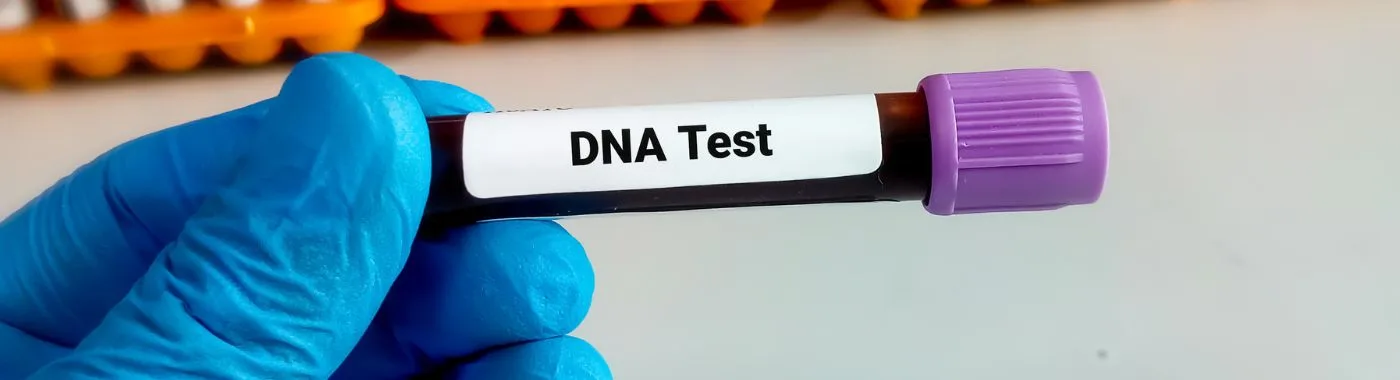
Since the remains were in a skeletal state, the police could not identify the victim by looking at her. They took DNA samples from the remains and compared them to DNA from Riya’s parents. The laboratory confirmed they were a match.
Where was the victim found?
The victim was originally dumped in the Shakti Canal in Uttarakhand. However, the water carried her remains to the Hathnikund Barrage, which is located in the Saharanpur district of Uttar Pradesh.
Who has been arrested in this case?
The police arrested a man named Shahbaz, who is the main suspect. They also arrested his friend Faizan and took a minor into custody. They are all accused of being involved in the kidnapping and murder.