

Summary
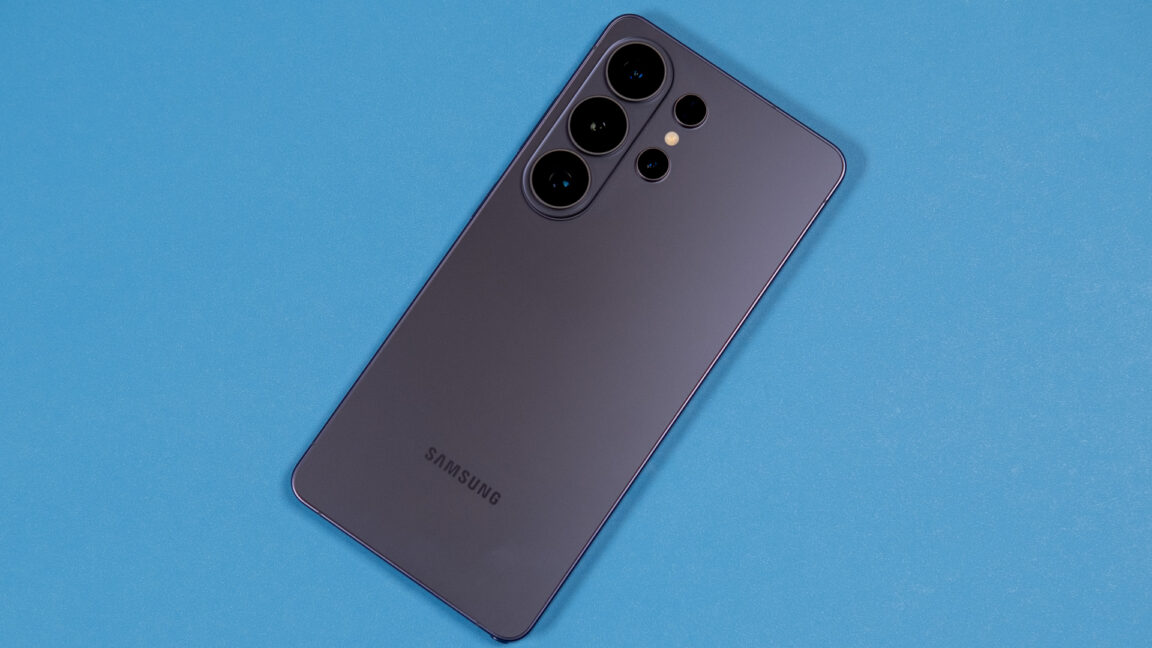
Samsung is facing a surprising financial challenge that could change its history in the mobile market. Executives at the company are worried that their smartphone business might lose money in 2026 for the first time ever. Even though the new Galaxy S26 phones are selling well, the cost of the parts needed to build them is rising too fast. This potential loss is linked to the global rush to build artificial intelligence technology, which is making basic phone components much more expensive.
Main Impact
The main problem for Samsung is not a lack of customers, but the high cost of doing business. For years, Samsung has been the leader in the smartphone world, making a profit even when other companies struggled. However, the rise of artificial intelligence (AI) has created a massive demand for specific types of computer chips. This demand is driving up prices for everyone, including giant companies like Samsung.
If Samsung cannot find a way to lower its costs or raise its prices without losing customers, the mobile division could report a net loss. This would be a major shift for the tech industry. It shows that even selling millions of high-end devices might not be enough to stay profitable when the cost of parts becomes too high.
Key Details
What Happened
TM Roh, the head of Samsung’s mobile division, recently spoke with the company’s top leaders. He warned them that the smartphone business is heading toward a difficult financial period. The main reason for this warning is the "skyrocketing" price of two specific components: DRAM and NAND. These are types of memory and storage that every smartphone needs to function. Because these parts are now in high demand for AI servers, there are not enough of them to go around, which makes them very expensive.
Important Numbers and Facts
The scale of the problem becomes clear when looking at how AI companies use these parts. For example, Nvidia is a company that makes powerful chips for AI. Their upcoming "Vera" AI processor will use a huge amount of memory. One single AI server using these processors can consume as much memory as 4,600 Galaxy S26 Ultra smartphones. Because big tech companies are buying up all this memory for their AI projects, Samsung has to pay much more to get the same parts for its phones.
The Galaxy S26 Ultra typically comes with 12GB of memory. While that sounds like a lot for a phone, it is tiny compared to the 1.5 terabytes of memory found in new AI hardware. This competition for parts is the primary reason Samsung’s profit margins are shrinking so quickly.
Background and Context
In the past, making money from smartphones was much simpler. Every year, new phones were much better than the old ones, and people were eager to upgrade. Today, smartphones have become "mature" products. This means that the changes from one year to the next are smaller, and people are keeping their phones for a longer time. Many smaller companies have already stopped making phones because it is too hard to make a profit.
Samsung has always stayed profitable because it controls much of its own supply chain. However, the current situation is different. Even during the global pandemic and the supply chain problems that followed, Samsung managed to make money. The current AI boom is a different kind of challenge because it creates a permanent increase in the cost of the most important parts of a phone.
Public or Industry Reaction
Industry experts are watching Samsung closely because the company is often seen as a sign of how the whole market is doing. If Samsung is worried about losing money, it is likely that other phone makers are in even more trouble. Some analysts suggest that this could lead to a future where smartphones become much more expensive for the average person. Others believe that phone companies might start removing features or using slower parts to save money.
What This Means Going Forward
Looking ahead, Samsung has a few difficult choices to make. They could raise the price of the Galaxy S27 and future models to cover the higher costs. However, if phones become too expensive, people might stop buying them. Another option is to change how the phones are built, perhaps by using less memory or finding different suppliers. Neither of these options is ideal for a company that prides itself on having the best technology.
The company will also need to decide how much to focus on AI features within the phones themselves. These AI features require even more memory, which adds to the cost. Samsung is caught in a cycle where they need AI to make their phones attractive, but the cost of AI parts is making the phones impossible to sell at a profit.
Final Take
Samsung’s current struggle is a clear sign that the AI boom is changing the tech world in ways we did not expect. While AI brings new features, it also makes the hardware we use every day much more expensive to produce. For Samsung, the challenge in 2026 will be finding a balance between high-tech innovation and staying financially healthy.
Frequently Asked Questions
Why is Samsung worried about losing money on phones?
The cost of memory and storage chips has gone up significantly. This is because these parts are being used in large amounts for artificial intelligence servers, leaving fewer parts for smartphones and making them more expensive.
Is the Galaxy S26 selling poorly?
No, the Galaxy S26 is actually selling well. The problem is not the number of phones sold, but the fact that the parts cost so much that Samsung makes very little profit, or even loses money, on each sale.
Will smartphone prices go up in the future?
It is possible. If the cost of parts like DRAM and NAND continues to rise because of the AI boom, Samsung and other manufacturers may have to increase their prices to avoid losing money.